I’ve watched companies spend $40,000 on a conference booth and come home with a fishbowl full of business cards and nothing else. No pipeline. No follow-up system. No measurable return. Just a vague sense that “it was good for brand awareness” and a stack of receipts that the CFO will quietly resent for the next two quarters.
Conference marketing is one of the most misunderstood line items in B2B. It can be extraordinarily effective, some of the best client relationships I’ve built started with a conversation at an industry event. But the way most companies approach it is structurally designed to fail.
The Booth Fallacy
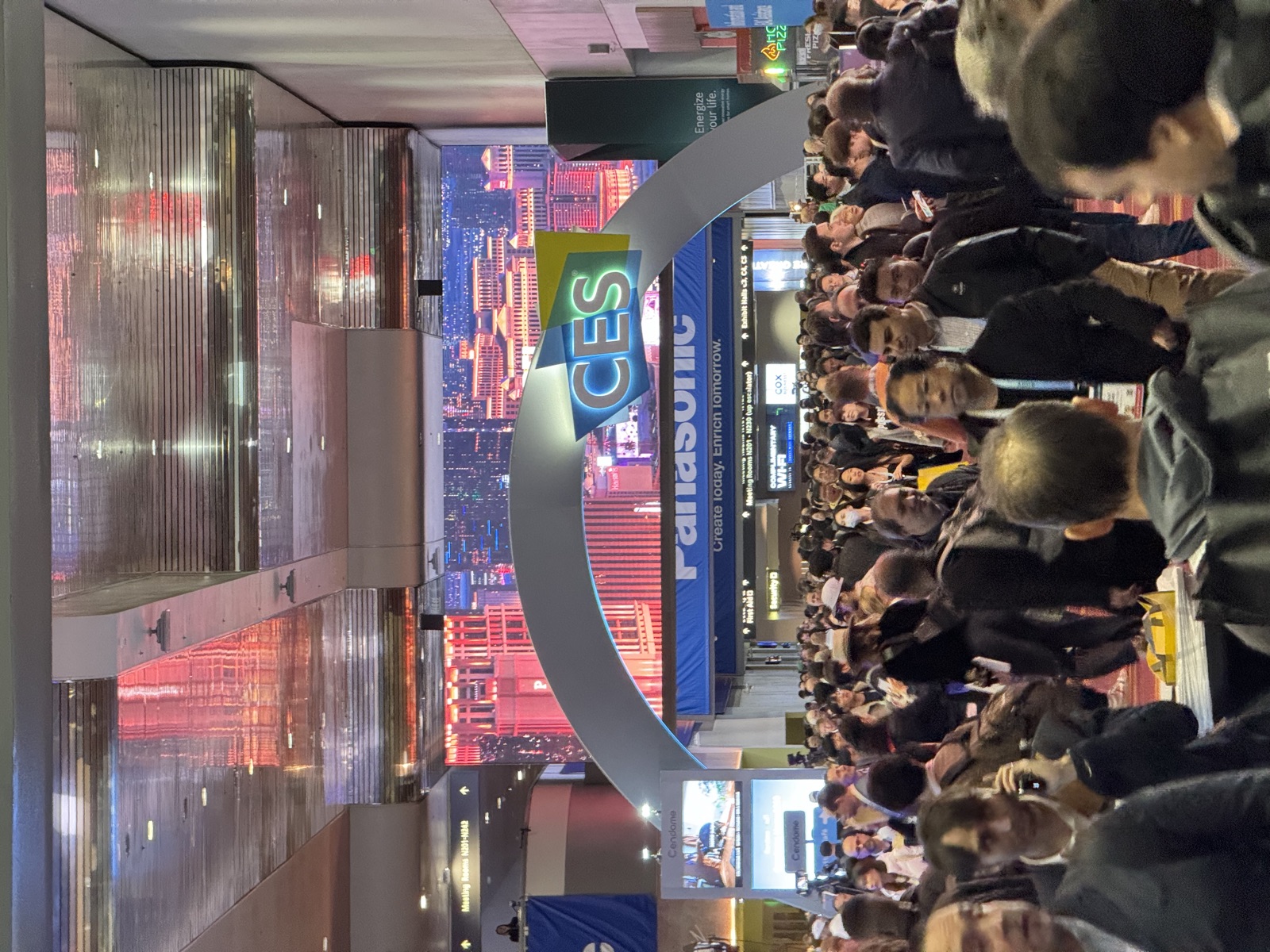
Here’s the core mistake: companies treat conferences as a visibility exercise. They rent a booth, print banners, maybe sponsor a cocktail hour, and then stand around waiting for people to approach. This is the equivalent of opening a store on a busy street and never saying a word to anyone who walks by.
Visibility is not the goal. Conversations are the goal. And more specifically, conversations with the right people, the ones who are already experiencing the problem you solve and are in a position to do something about it.
The booth is a prop. It’s useful as a physical anchor, a place to invite people to, a reason to be there. But the booth is not the strategy. The strategy is everything that happens before, during, and after the event.
Before: The Work Nobody Does
The highest-ROI conference activity is pre-event outreach, and almost nobody does it well. Most companies announce they’ll be at the conference. That’s it. Maybe a LinkedIn post, maybe an email blast to their list.
What actually works is targeted, personalized outreach to specific attendees. Look at the attendee list or speaker roster. Identify the twenty or thirty people you most want to meet. Then reach out individually, not with a sales pitch, but with a genuine reason to connect. Reference something they’ve published, a mutual contact, a shared interest in a panel topic. Propose a specific meeting: coffee on day one, a fifteen-minute chat between sessions.
At PipelineRoad, when we’ve helped clients prepare for conferences this way, the difference is dramatic. Instead of hoping the right people wander by the booth, they walk in with eight to twelve pre-scheduled meetings. The conference becomes a concentrated business development sprint instead of an expensive networking lottery.
During: Conversations, Not Collateral
I’ve seen booths with elaborate product demos, iPad giveaways, branded socks, candy bowls, and spinning prize wheels. All of it designed to attract foot traffic. And all of it attracting exactly the wrong kind of foot traffic, people who want free socks, not people who want to solve a problem.
The best conference operators I know do something much simpler. They have two or three sharp people at the booth who are trained to do one thing: start real conversations. Not elevator pitches. Not product walkthroughs. Conversations about the attendee’s situation, their challenges, their current approach to the problem you solve.
The goal of every booth interaction should be to determine, within three minutes, whether this person is worth a deeper conversation. If yes, book the follow-up right there, pull out a phone and send a calendar invite while you’re standing together. If no, be gracious and move on. The most expensive thing at a conference is time, and most companies waste it on low-quality interactions because they’re optimizing for volume instead of fit.
The Session Strategy
Speaking slots are undervalued. A twenty-minute talk on a relevant panel puts you in front of a self-selected audience of people who care about your topic. That’s worth more than three days of booth duty.
But even if you’re not speaking, sessions are strategic. Attend the panels where your ideal customers gather. Sit near the front. Ask a thoughtful question. Then introduce yourself to the panelists and the people sitting around you afterward. This is where the best conference relationships start, in the organic space between sessions, not in the manufactured space of the expo hall.
After: Where the Money Actually Gets Made
Most conference leads die in the follow-up. Companies collect a stack of contacts, dump them into a CRM, and then send a generic “Great meeting you at [Conference]!” email three days later. By then, the moment has passed.
The follow-up needs to happen within twenty-four hours, ideally same day. And it needs to be specific. Reference something you actually discussed. Attach something useful, an article, a case study, an introduction you promised to make. Then propose a concrete next step: a call the following week, a demo, a strategy conversation.
We’ve seen clients close six-figure deals that originated from a single conference conversation followed by a disciplined, personalized follow-up sequence. The conference itself was the spark. The follow-up was the fire.
The Math That Justifies It
Here’s how I think about conference ROI. A typical B2B SaaS conference costs $15,000-$50,000 when you factor in booth, travel, accommodations, sponsorships, and team time. If your average contract value is $30,000 and you close one deal from the event, you’ve roughly broken even. Two deals, and you’ve generated meaningful return.
The question isn’t whether conferences can produce ROI. They can. The question is whether your company has the discipline to do the pre-work, run focused conversations on-site, and execute fast follow-up afterward. Most don’t. They spend the money on the event and skip the work that makes the event pay off.
That’s why most conference budgets are wasted. Not because conferences don’t work, but because companies only do the easy part, showing up, and skip the hard part: everything else.