
Latest leadership
A Hundred Years of Retention
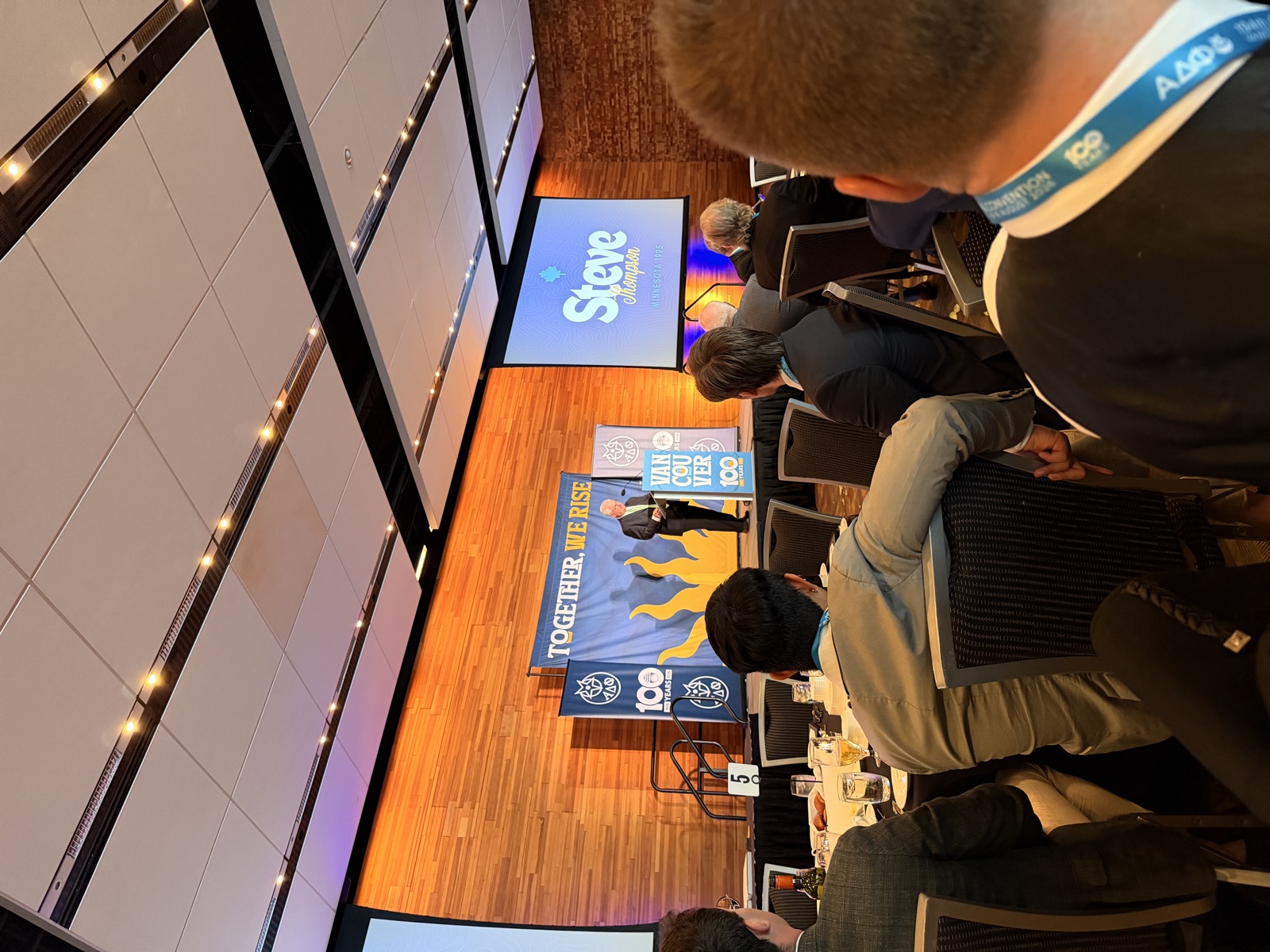
A volunteer organisation held a centennial convention in Vancouver. It has retained members for a century without a product, a price, or a churn dashboard.
9 min
The Journal
283 essays across 7 topics
A volunteer organisation held a centennial convention in Vancouver. It has retained members for a century without a product, a price, or a churn dashboard.
Starting, running, and scaling companies. The unglamorous mechanics of it.

A mountain face shows you every layer it was built from and every path things fall down. So does a company, if you know where to look.

Every time we hired to fix a process problem, we made it worse.

One account at forty percent of revenue is not a client. It is an employer.

The savings are real. So is the tax you pay in context.

What changed when the people who write the pages could also build them.

The tensions nobody warns you about, and what we got wrong first.

What has to be true by day thirty or the engagement is already behind.

Estimating the unfamiliar without either lying or padding.

How we price, why we hold a floor, and what happens when a client pushes.

We are an agency and we still tell some companies to hire in-house.
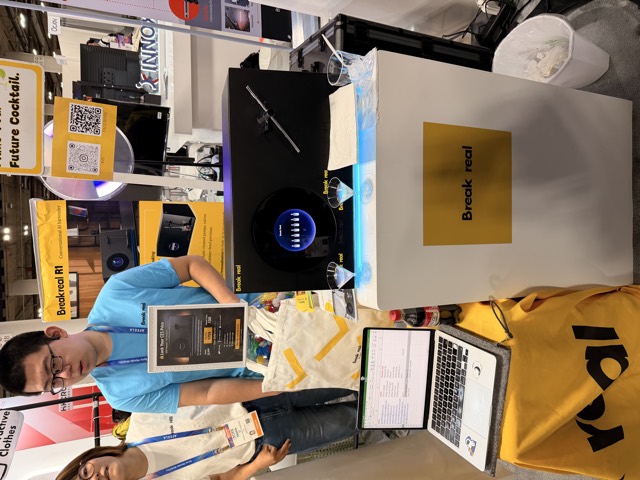
A two-person team, a robot bartender, and a laptop running the whole business off one sheet. What small operators get right that funded teams forget.

Hiring engineers into a marketing team removed the handoff, not the workload.

A product that went live and earned nothing for its entire life.

Every profitable year we had came partly from projects we turned down.
A free tier capped sends at 300 a day, discovered mid-campaign.
A lead sync broke every time a form was swapped, and nothing alerted.

Cadence is a strategy, not an operations detail.

We built a customer learning centre rather than buying a course platform. The test that decided it.

If the deliverable is a word count, you bought the wrong thing.

The generalist hire feels safe and usually stalls.

Nine questions that separate operators from deck-makers, plus the delivery numbers we publish so you can benchmark any agency against them.

And the three situations where it is the wrong one.

Two gatekeepers, neither in the kickoff, and a launch date that was fiction.

The staging URL everyone quoted was a different application entirely.

We quoted a rebuild in routes. The bill was in records: 387 entries and 545 assets.

The case for building a profitable company instead of a funded one.
Most solo operators build themselves a job, not a business. The distinction changes everything.

The quarter everything went wrong, and the systems we built because of it.

The Massey story, ReviewSentinel, PrioDesk, and SoftOrg under one roof.

A post-mortem on the first pitch deck we built, what was wrong and what we learned.

What happens when an agency decides to build a product, and the identity crisis that follows.
What I've learned from watching dozens of companies raise capital.
What scaling an AI content platform actually looks like week by week.
The kickoff meeting is a contract. Here's how we structure ours to prevent misalignment later.
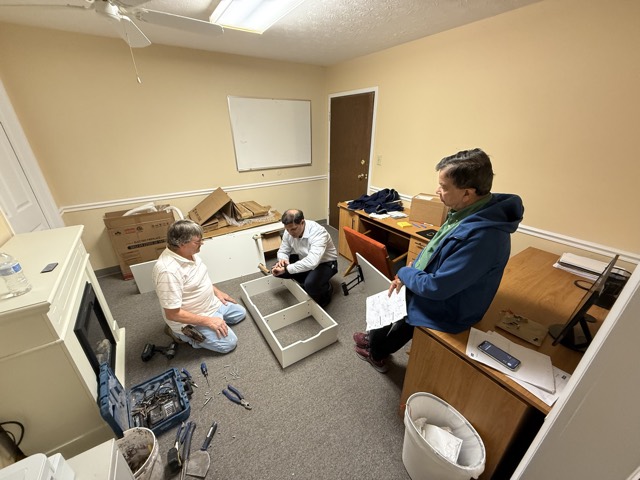
The story of how PipelineRoad.com was born from agency work.

Opportunity cost is the most expensive line item that never shows up on a P&L.
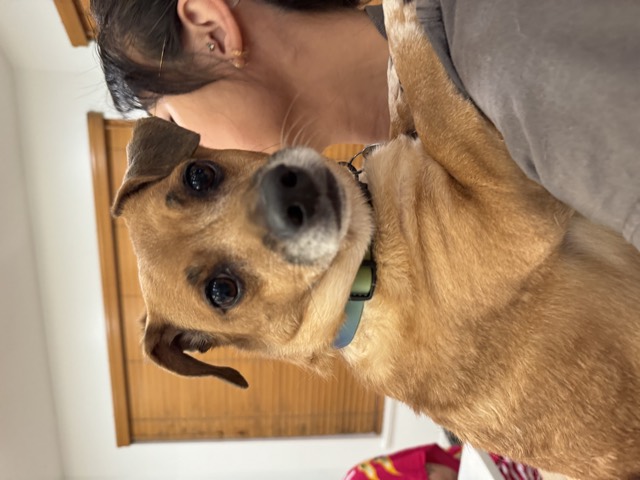
The hardest conversations in agency life and why they matter.

Every business hits a plateau. What separates those who break through from those who don't.

How raising our minimum transformed both our client quality and our work quality.
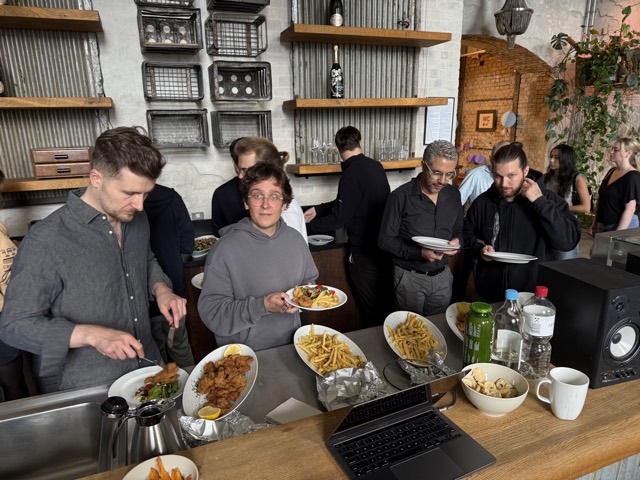
Systems, automation, and knowing when not to hire.

Why the onboarding period is where client relationships are won or lost.

The moment you're responsible for someone else's livelihood, everything changes.
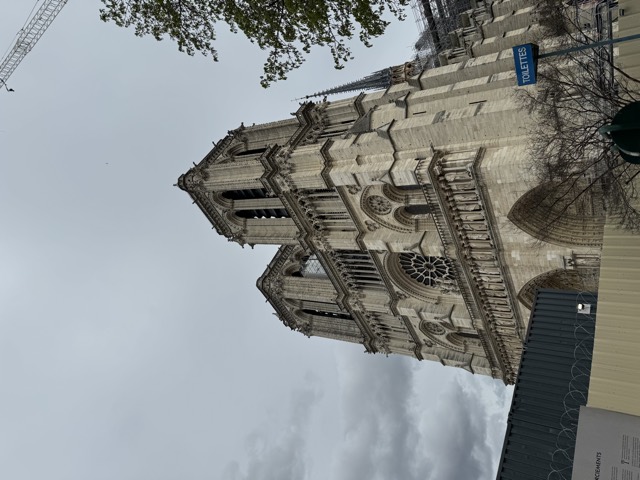
The difference between a personal brand and a company brand, and why it matters for succession.

The anatomy of a proposal that converts, and the mistakes that kill most of them.
How we broke into fund management software without fund management backgrounds.

What happens when your largest account walks away and what it forces you to fix.
One outbound message that led to our biggest client.
Why bootstrapping the agency first was the unlock for everything after.
How to build a co-founding relationship that survives the hard years.
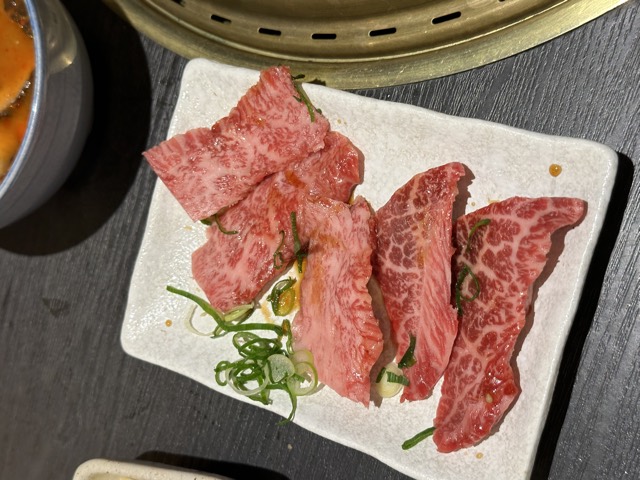
Why most agencies underprice and how it destroys both margin and quality.
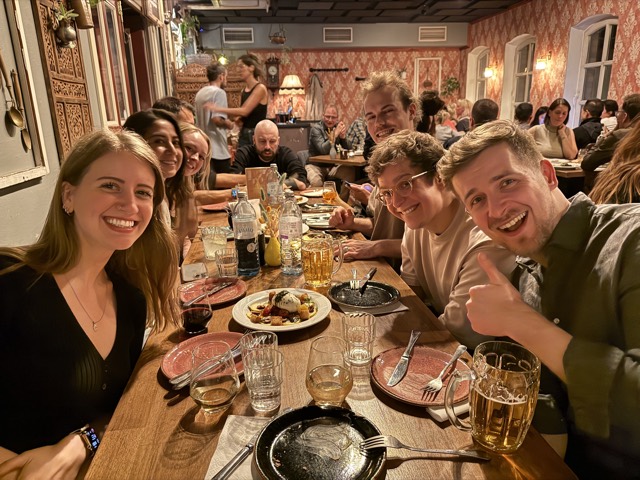
Why running a services business is the best training ground for building products.
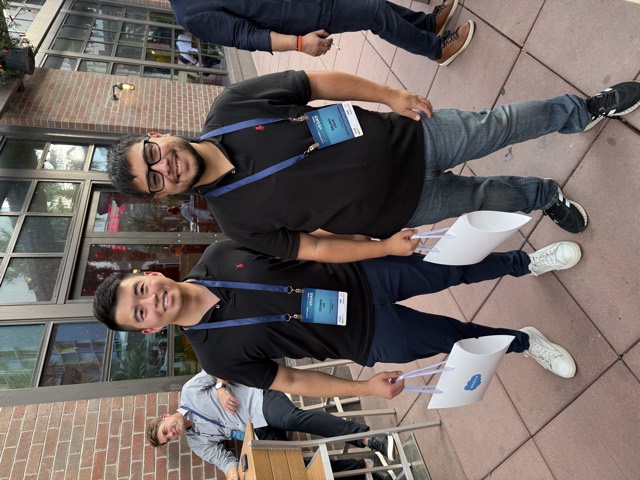
The deliberate (and lucky) process of picking B2B SaaS as our agency's niche.
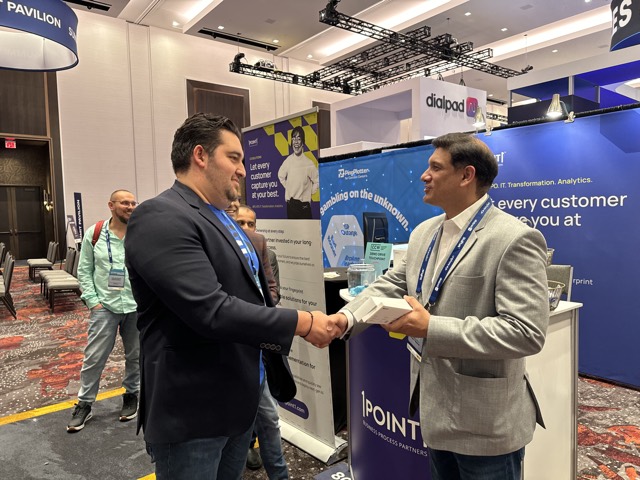
How PipelineRoad landed its first ten agency clients, what worked, what didn't, and what I'd do differently.
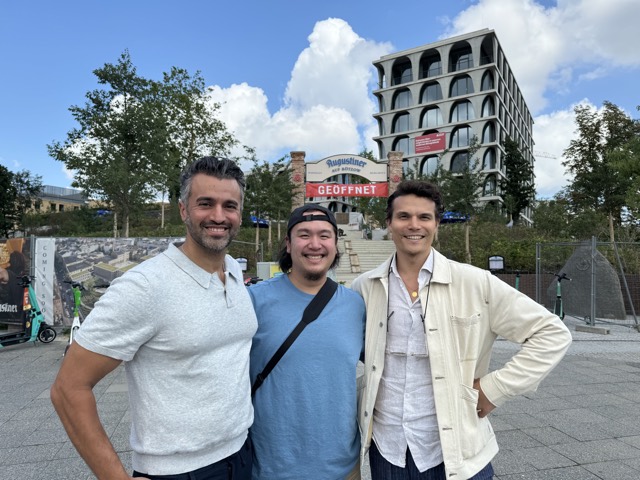
What it's actually like to build something with someone, the good, the hard, and the non-negotiables.
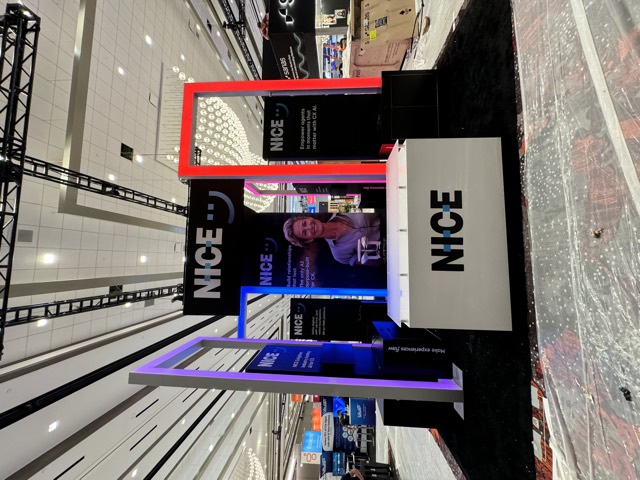
The unsexy market that turned out to be the best decision I ever made.
Positioning, channels, and pricing. What moves pipeline and what only looks like it does.

What we hand a writer so the draft ranks without sounding like it wants to.
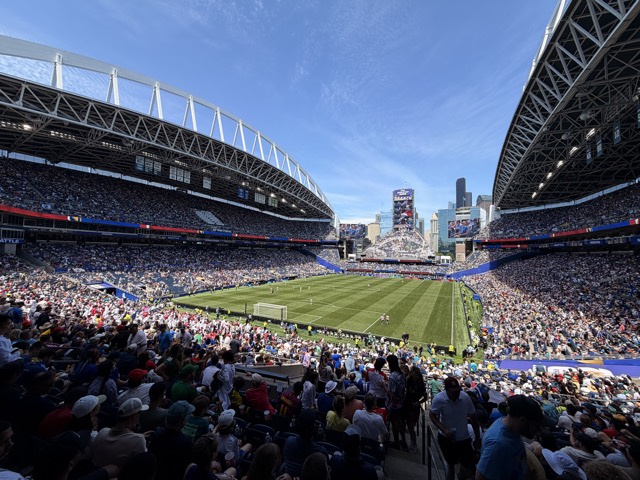
Live events manufacture the one thing B2B marketing keeps trying to fake: a reason it has to be now.

Bad output usually starts with a bad brief. Here is the format we ask for.

Before the workshop, run this. It kills bad messaging fast.

Naming a category costs more than most companies can afford.

Most middle-funnel work is compensating for a broken top.

A boat on a technology show floor is a category bet, not a stunt. When borrowing a bigger category works and when it just costs money.

The answer to your positioning problem is already in your CRM.

The vehicle with the lounge interior is not for sale. Neither is the version of your product in your keynote, and buyers can tell.

The page your buyers search for and your team refuses to build.

A homepage rewrite is usually procrastination wearing a productive costume.
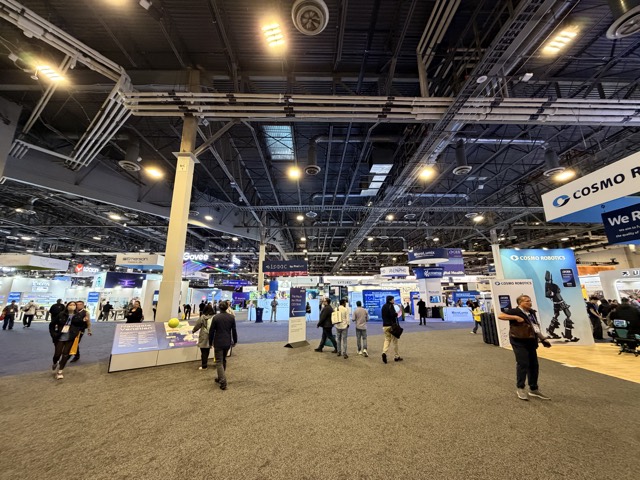
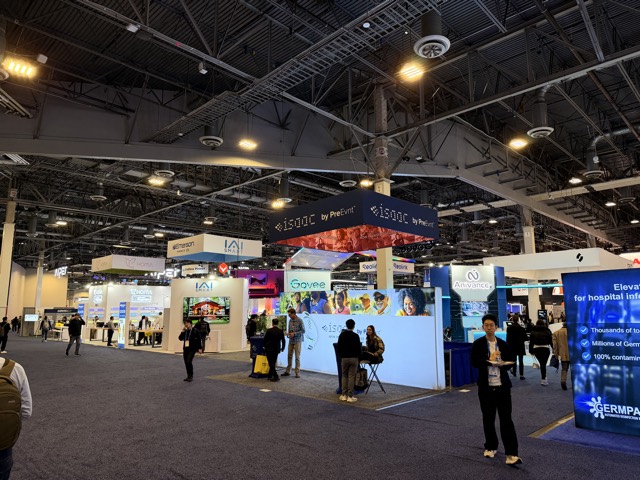
Thousands of companies with about three seconds each to explain themselves. Most fail, and they fail the same way a homepage does.

Channel choice is not a preference. It is a function of how your buyer already searches.

Google ranks helpfulness and evidence, not detector scores.

200 posts, zero structured data, zero internal links, one table.
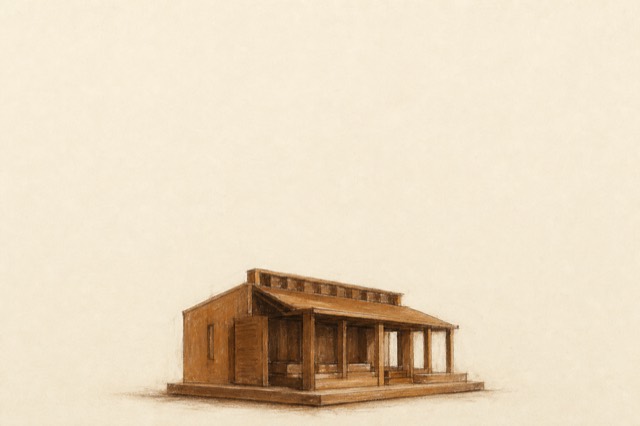
Expensive to build, and it beats any deck.
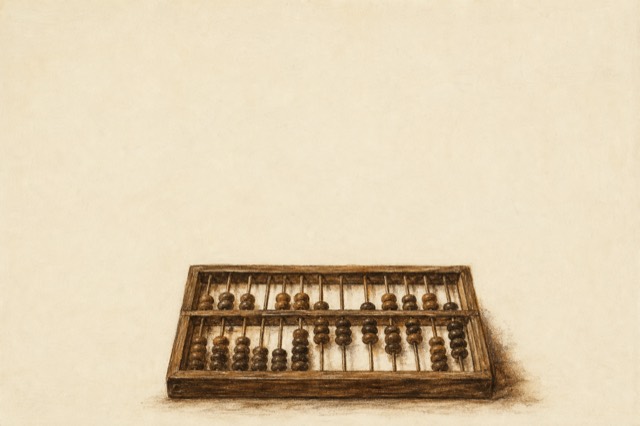
Per-deal pricing confused every sales conversation, so it was replaced with flat tiers.

0.11% CTR on positions that looked healthy. The titles were the problem.

An audit found roughly 92% of one client's raw sessions were bot.

Roughly 98% of contacts sat in the first lifecycle stage, with no nurture behind any of it.

Price communicates category before it communicates value.

What we run when the budget is five figures, not seven.

Demand generation creates awareness of a problem before a buyer searches for a solution. Here is the working definition, what it looks like in practice, and how to measure it when attribution fails.

Positioning stalls because the process is too big. Shrink it.

They are not the same thing, and confusing them wastes most of a budget.

Four real positioning statements, why three of them fail, and how to fix them.

Most GTM plans are a slide deck of intentions. Here is what belongs in one.
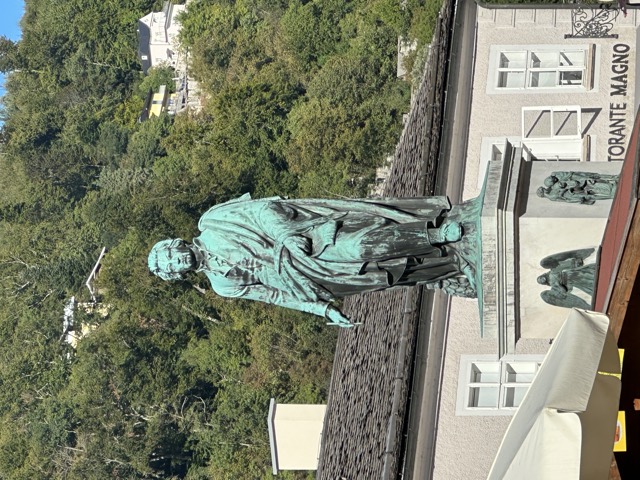
The signals I look for and the ones I ignore.
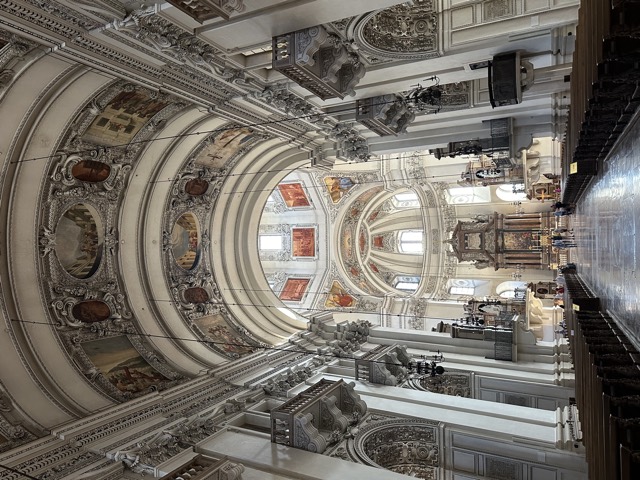
Positioning isn't a one-time exercise. Markets move. Competitors shift. Your story needs to keep up.

Content marketing works. But most companies can't prove it because they're measuring the wrong things.

Most conference budgets are wasted. Here's how to make events actually generate pipeline.

Churn isn't a metric. It's a diagnostic. Here's how to read it.
How we evaluate a website's search performance in the first 48 hours of an engagement.
An honest assessment from someone who runs an agency.
How you price tells the market who you're for.
The B2B channel everyone uses poorly and how to fix it.
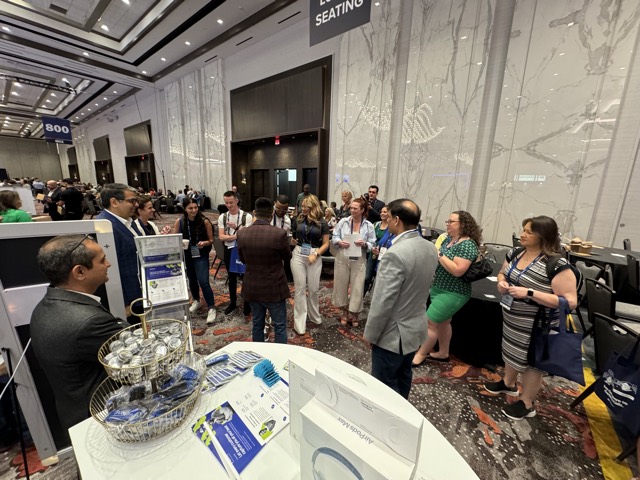
Account-based marketing stripped down to what actually works for companies with small sales teams.

What we run at PipelineRoad and why it compounds.
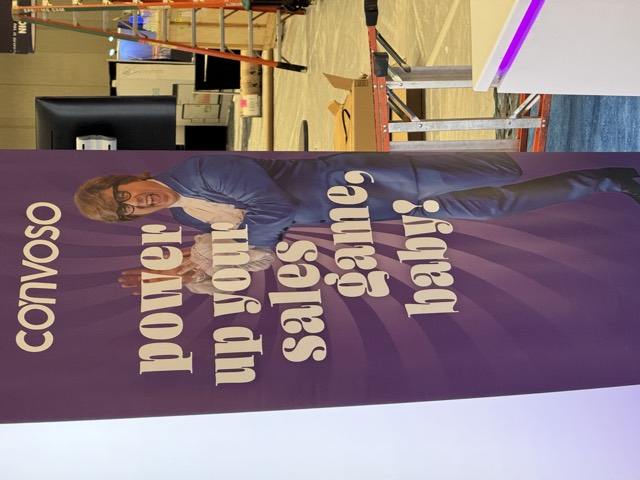
The approach that still works when everyone else is automating badly.

Not every service is worth offering. Here's why we said no to one of the most requested ones.
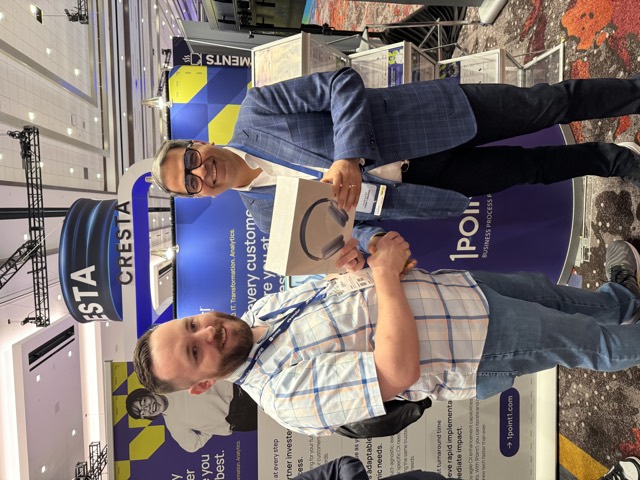
Most deals die from neglect, not rejection. The follow-up cadence is where revenue hides.

Why early-stage companies should almost never run them.
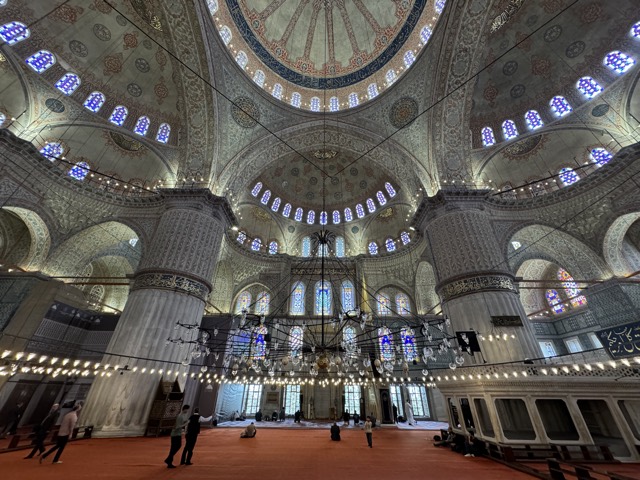
What to look for, what to ask, and the red flags most companies miss.
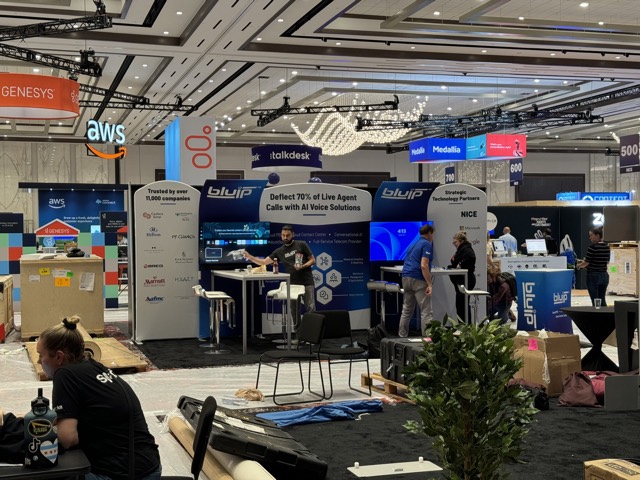
The three mistakes I see every single time.
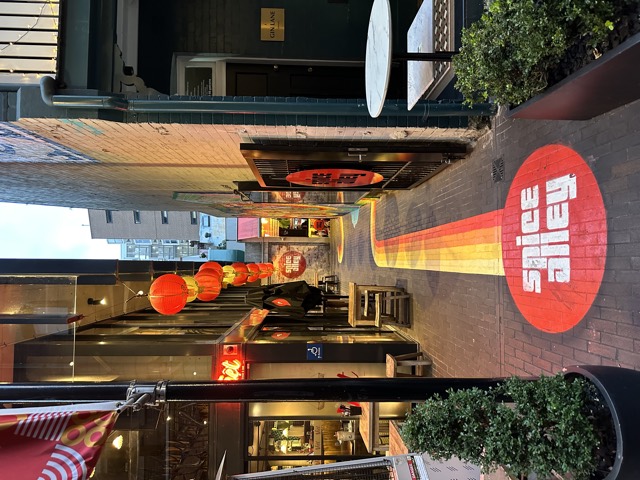
Early-stage companies can't be everywhere. How to pick the channels that matter.
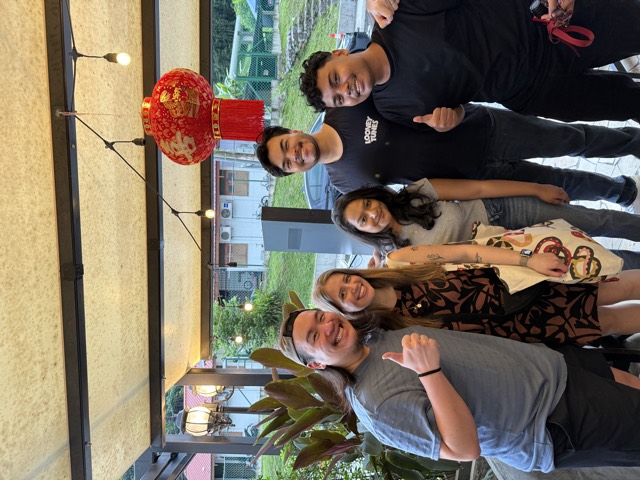
Why the best marketing teams own the sales toolkit too.

The counterintuitive truth that narrowing your audience grows your pipeline.

What makes a cold email worth reading, specificity, value, and respect for time.

The anatomy of outbound that people actually respond to.

Why I start every engagement by rewriting the homepage.

The structure, psychology, and copy principles behind homepages that actually work.

A framework for companies that can't afford to be everywhere.

Why 90% of content is disposable and how to write the other 10%.

Best practices are just average practices that got written down. Here's why context beats convention.
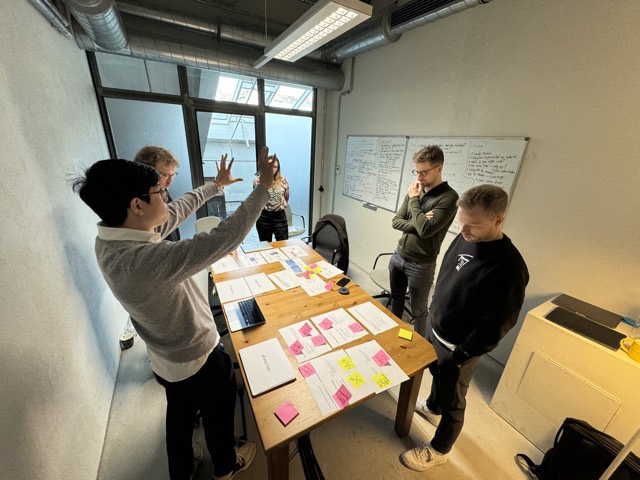
A transparent look at the first 90 days of any engagement.
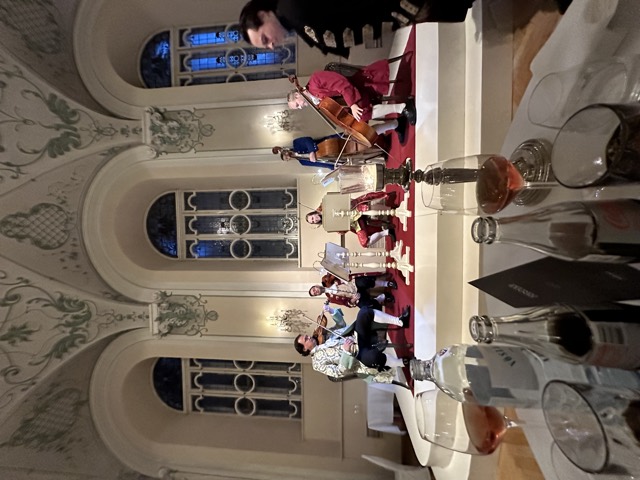
Why most marketing fails before it starts.
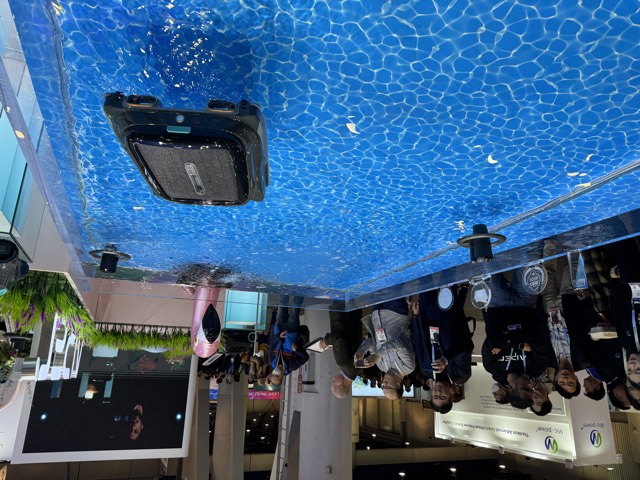
Why the search for perfect attribution is often a distraction from what actually matters.
What we do in the first three months with every new client, and why most agencies rush it.

Category conformity is real, and it's costing you differentiation.
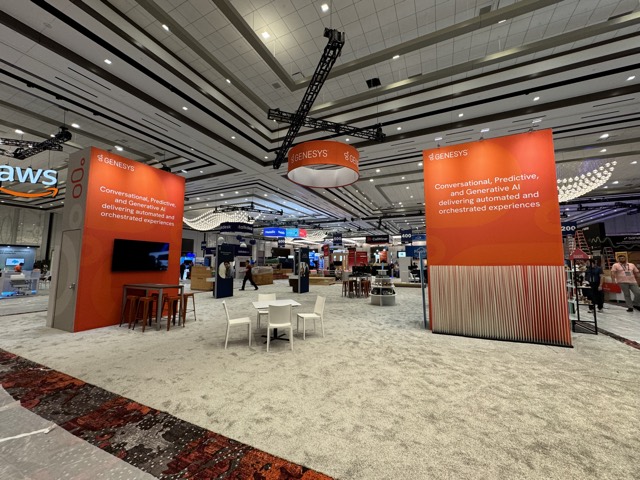
The single skill that separates companies that grow from companies that stall.
Hiring, feedback, hard conversations, and running a team without pretending to have every answer.
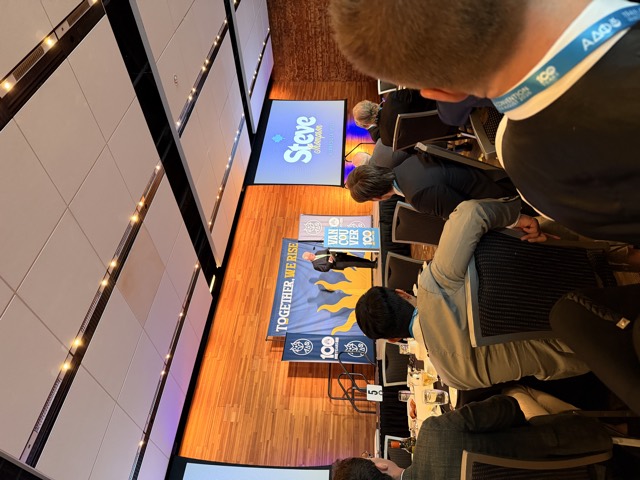
A volunteer organisation held a centennial convention in Vancouver. It has retained members for a century without a product, a price, or a churn dashboard.

Disagreement is not the problem. Unspoken disagreement is.

It is not the salary. It is the eighteen months of pattern it sets.

The signals show up months before anyone says them out loud.

Skills are teachable on a timeline. Taste is not.

The hardest handoff is the one you enjoy.

Four time zones, and what replaced the things an office used to do for free.
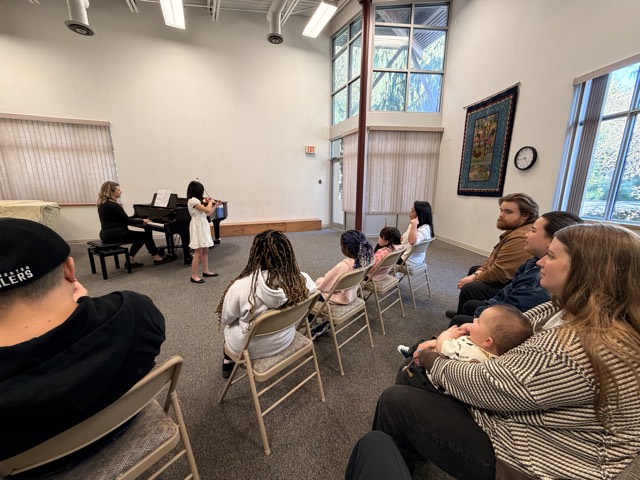
A twelve-year-old playing violin in front of thirty people is doing something most senior teams avoid: performing before they are ready, on a schedule.

Sixty thousand people paid to watch ninety minutes. The players spent longer than that rehearsing in front of them. Client work is the same shape.
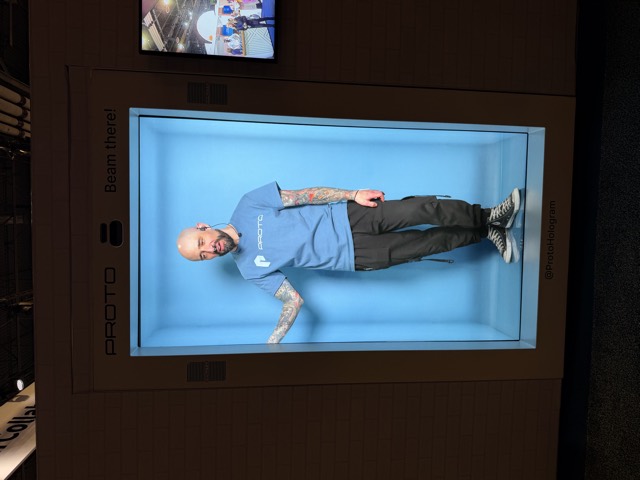
A life-size hologram booth made me rethink what we actually buy when we fly somewhere, and what a distributed team can and cannot replace.

What belongs in a client update and what never does.

One shared channel per relationship, and why we stopped using private threads.

Recordings are raw material. The action item is the product.

Meetings into two days, processing midweek, and the making days protected.

Four time zones, and the things that now have to be scheduled explicitly.

Status updates belong in writing. Use the time for the other thing.

A blog we ran went down and stayed down, because 'temporarily' had no owner.

Why the loudest voice in the room is almost never the best one.

What to do when nobody, including you, knows the answer.
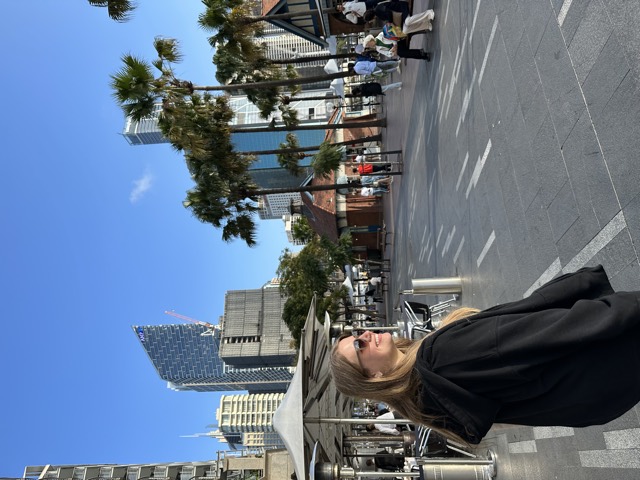
What 10,000 hours of solitude does to your decision-making.
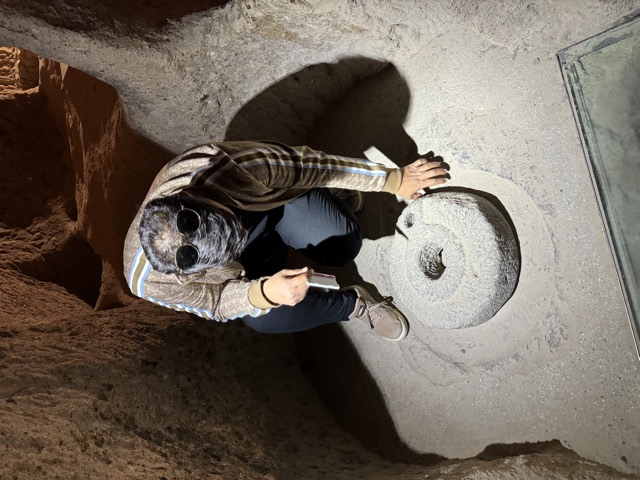
The most honest thing a leader can say is 'I don't know yet', and then figure it out visibly.
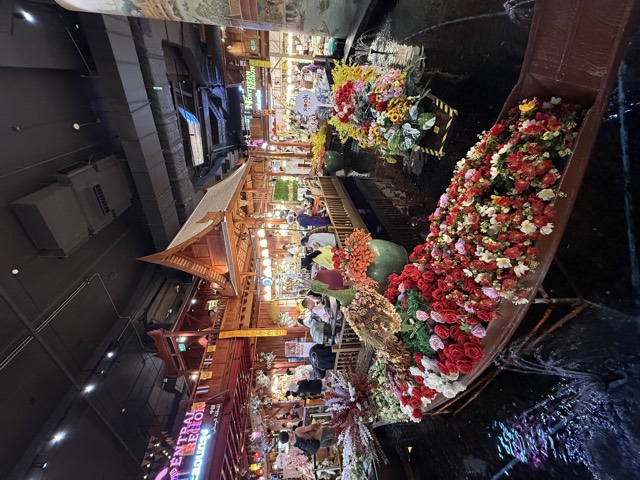
Eisenhower was right. Almost everything that feels urgent isn't important.
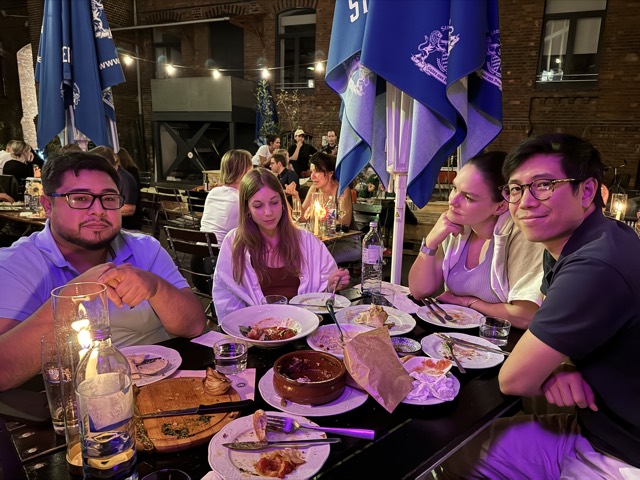
Productive disagreement is a skill. Most teams never develop it.
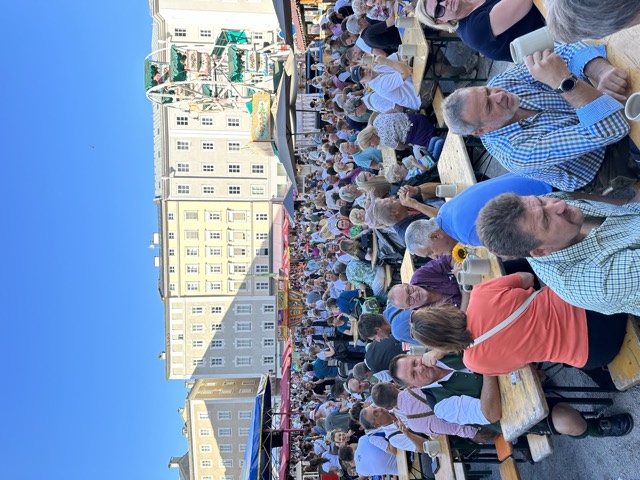
The best leaders hire people who outclass them in specific domains, and then get out of the way.

In most business contexts, a fast good decision beats a slow perfect one.
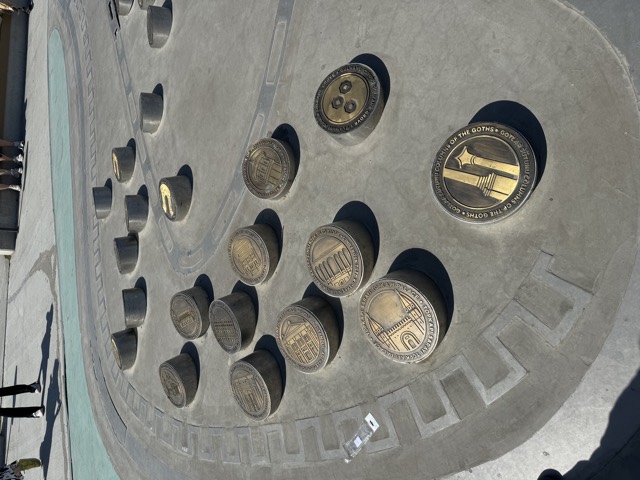
Open doors sound progressive. In practice, they kill deep work and create dependency.

How a leader's energy on Monday sets the emotional weather for the entire week.
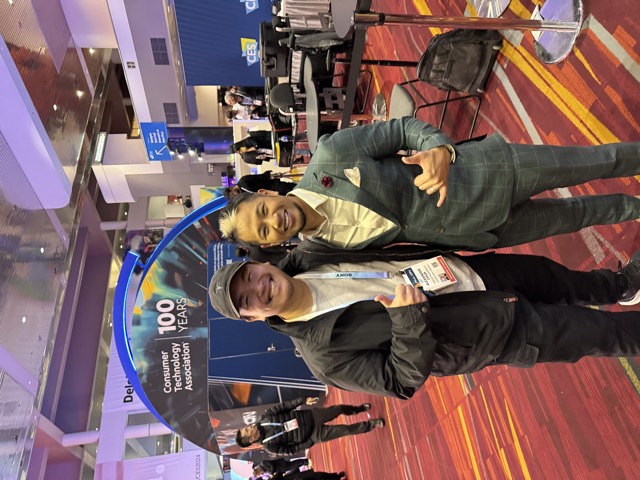
It's not what you'd expect and it has nothing to do with resumes.

The courage to change direction mid-quarter, and how to do it without losing the team.
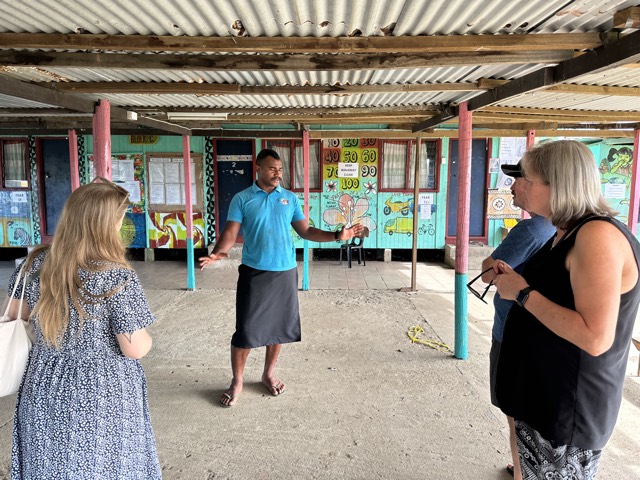
Trust is built differently in different cultures. Managing a distributed team means learning all the dialects.
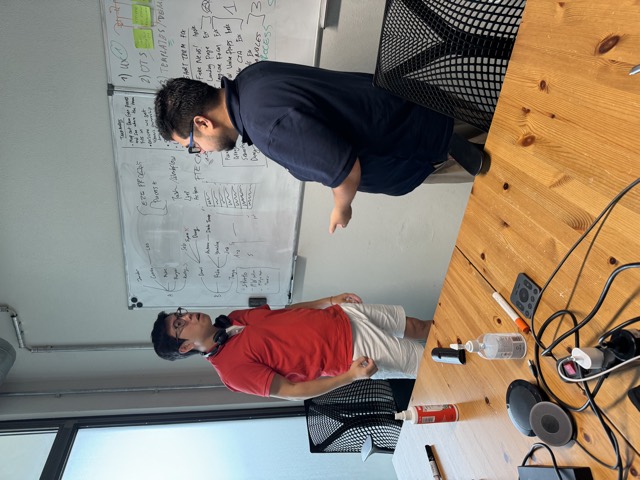
How I structure my week across eight clients, a platform, and a life.

The opportunities I turned down that mattered most.
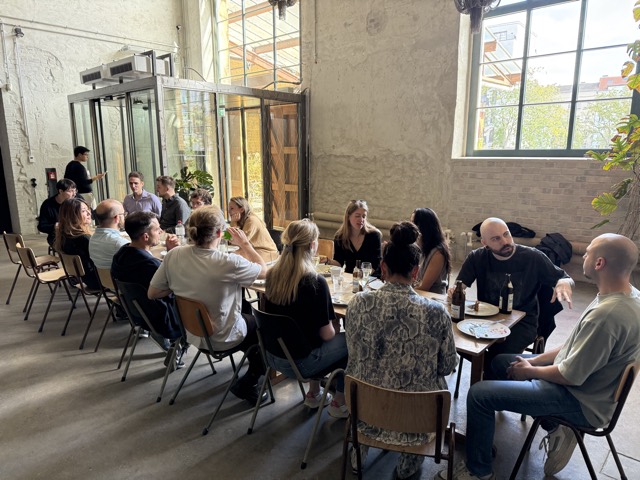
How a fully remote agency maintains identity and standards.
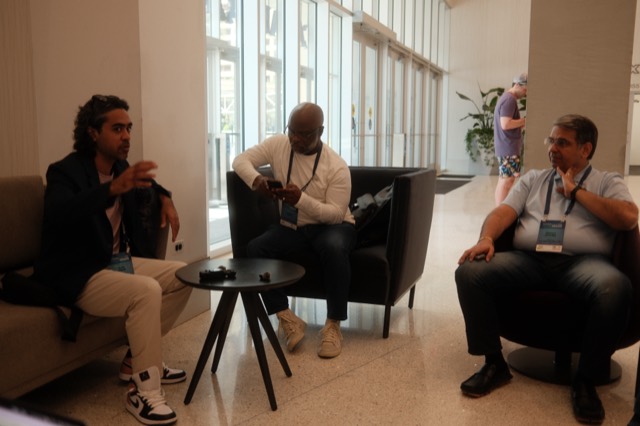
Most feedback fails because it's too vague, too late, or too soft. Here's the alternative.

The worst part of leadership and why how you do it defines you.
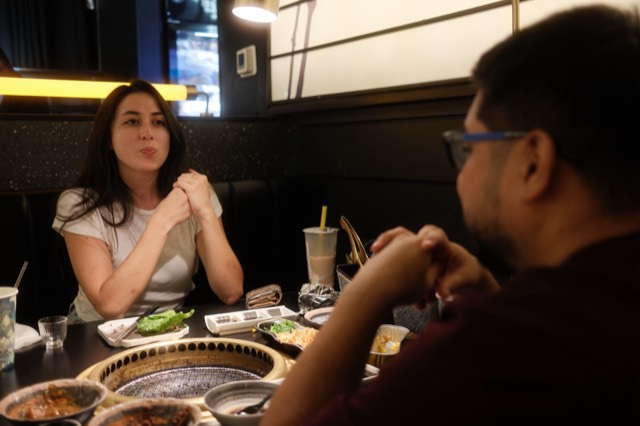
Regular one-on-ones are the highest-leverage management habit. Here's how to make them count.
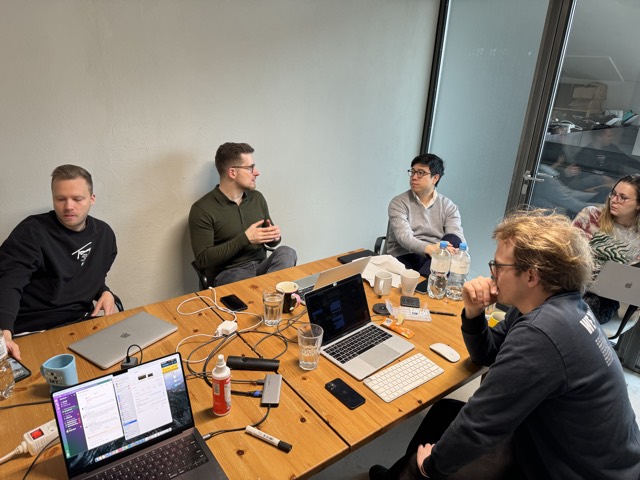
Why the weekly 1:1 is the highest-leverage thing a founder can do.
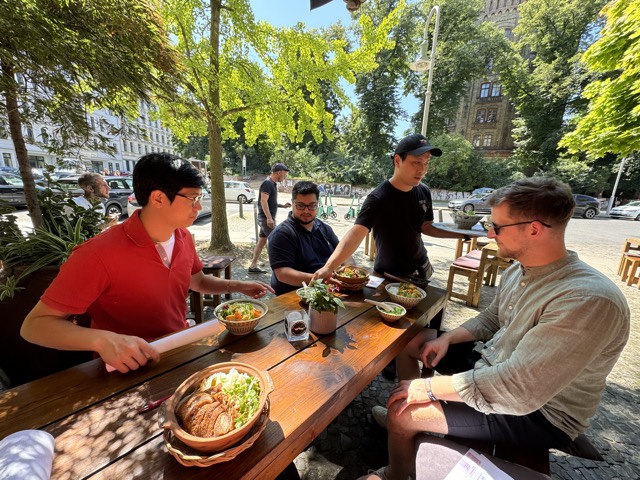
The framework I use with my team at PipelineRoad.
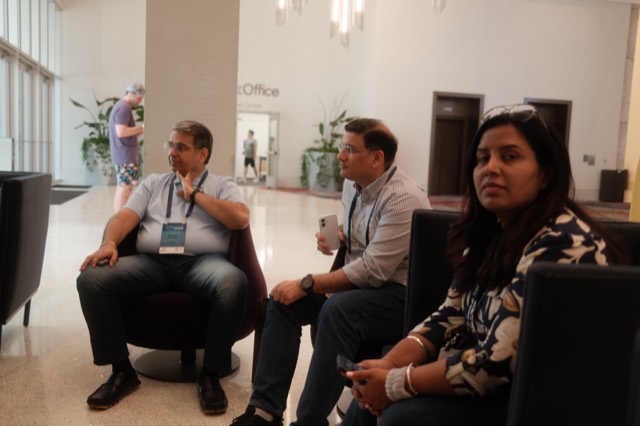
The case for shorter meetings, tighter agendas, and fewer attendees.
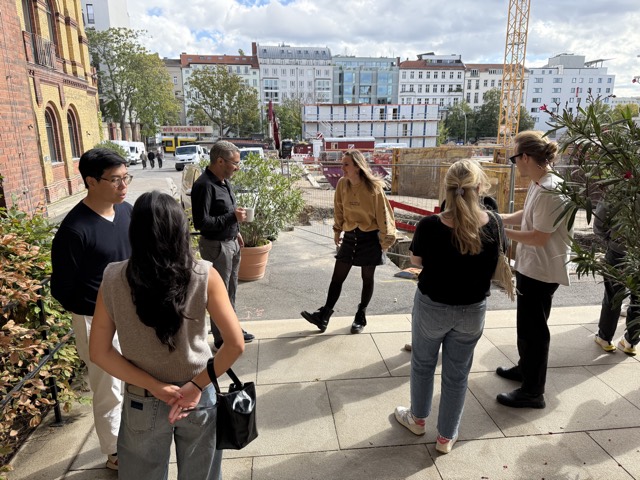
What actually works and what everyone gets wrong.
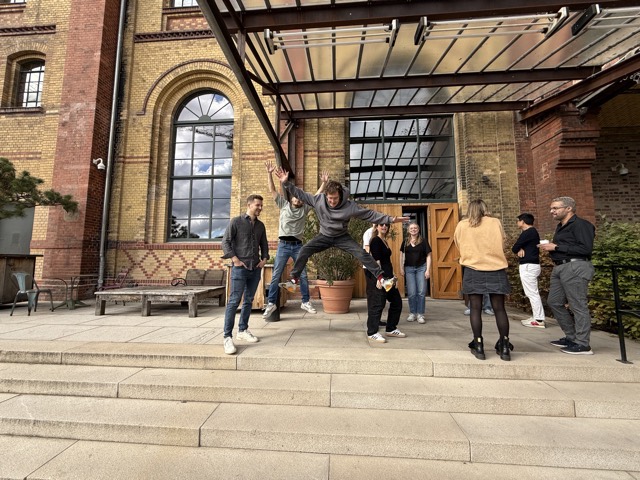
The difference between delegating and disappearing, and why most founders get it wrong.
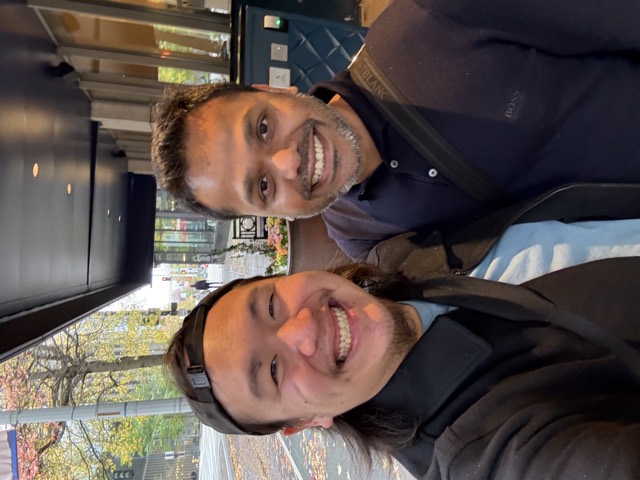
Hard conversations get harder the longer you wait. Here's how to have them well.
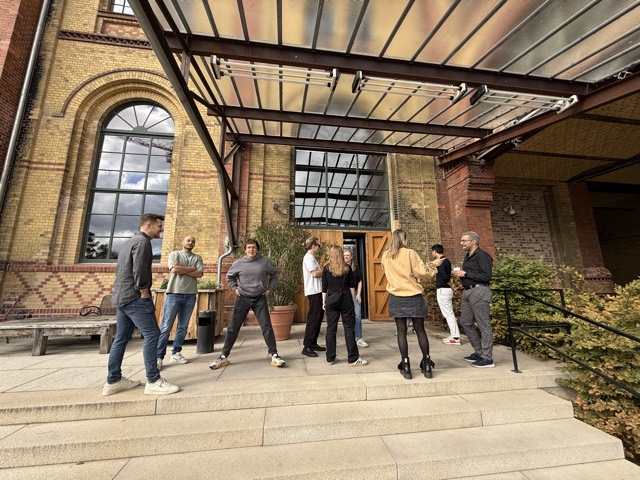
The terrifying, exhilarating moment when it's not just you anymore.
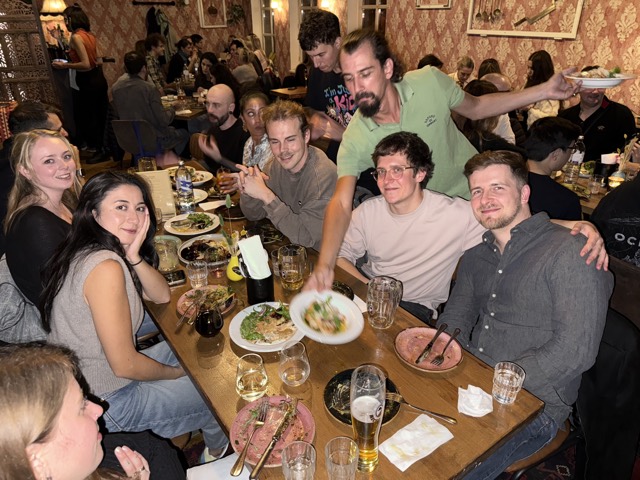
A lesson I learned too late and what it cost.
Writing, design, typography, and the details that compound into trust.

Everything else is preference.

Most feedback describes symptoms. Good feedback names the decision.

The first draft exists to find out what you think.

We own the instruments and the cameras. Owning production capability changes what an agency is able to sell, not just what it is able to make.

Assume the skim. Design the page so the skim still lands.

Product names, page titles, section headers. The same discipline.

Lists are a format, not a thought.

Three passes, in this order, every time.

A tournament running across sixteen host cities keeps one identity and still feels local in each. That is a brand system, and most companies do not have one.

The best demo I saw all week had no demo. The product was sitting in the situation it was built for, explaining itself.
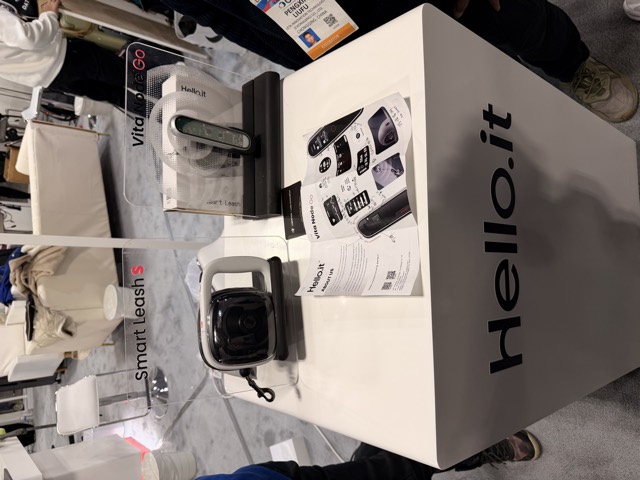
Two good products on one plinth with no line connecting them. Product line coherence is a marketing problem before it is a roadmap problem.

Count the words, tables and links in the built page. Do not accept a claim.

Why every generated number needs a source file and an adversarial pass.

2,801 violations of a rule we had written down and repeated for a year.

A batch of AI-written posts missed our own playbook, because nobody put it in the brief.

Five attempts to force one detail. Choose a composition that avoids it.

Zero usable composites. Three of three when generated in one pass.

2 of 3 on-style without a reference image. 3 of 3 with. Same subject.

Ranking and being readable are not in tension. Most writers just pick one.

The first sentence is doing a different job than you think.

Templates fail because they optimise the wrong sentence.

Nine standing editorial rules and a QA script, and how a repeat note becomes a rule something can check.

44 pages behind an automated validator, and why we added it after the fact.

Half-migrated forms look fine and go nowhere. Stub them loudly.
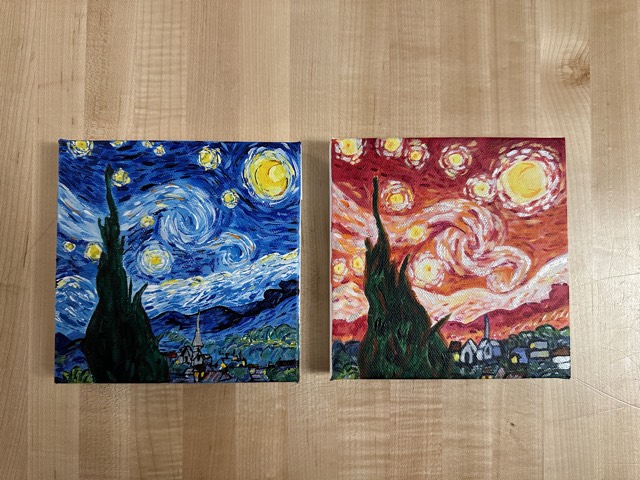
The case for owning your own corner of the internet.

A behind-the-scenes look at how Chua Network was designed and built.

Consistency beats intensity. The habits that compound over years, not weeks.
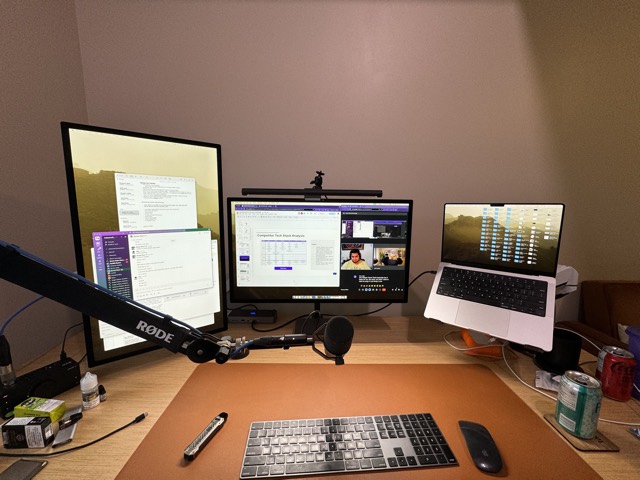
A practitioner's toolkit, software, hardware, and habits.

My process for turning messy ideas into something worth publishing.
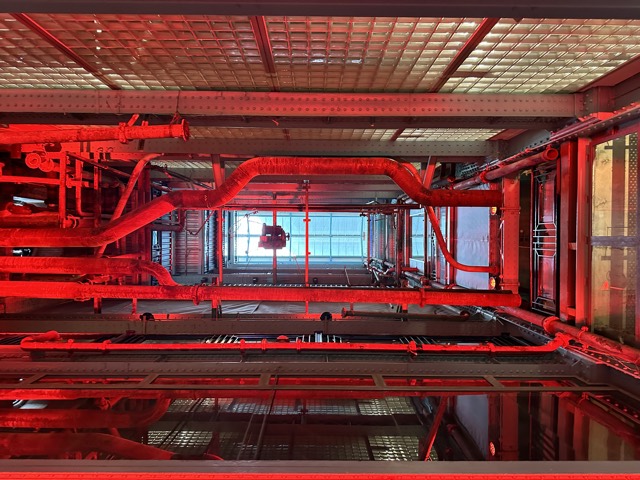
When the primary action is reading, the design should disappear.
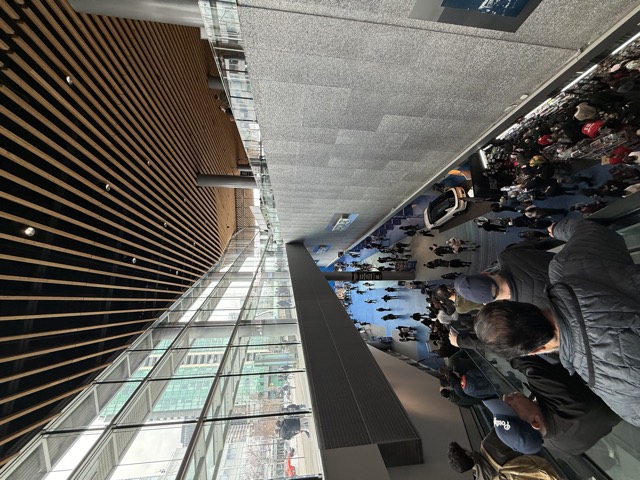
Treating a newsletter like a product, with a roadmap, a voice, and a feedback loop, changes everything.

Font choices signal credibility before anyone reads a word you've written.

You don't need better equipment. You need better observation.
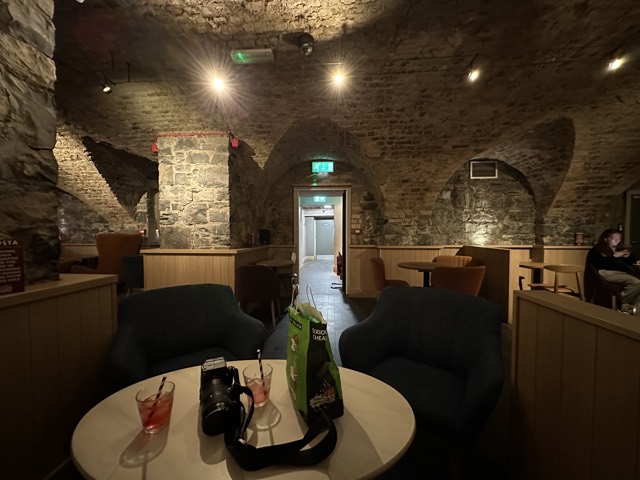
In an era of tweets and short-form video, long writing isn't dead, it's underpriced.
Field notes from 40+ countries. Trains, markets, borders, and long ferries.
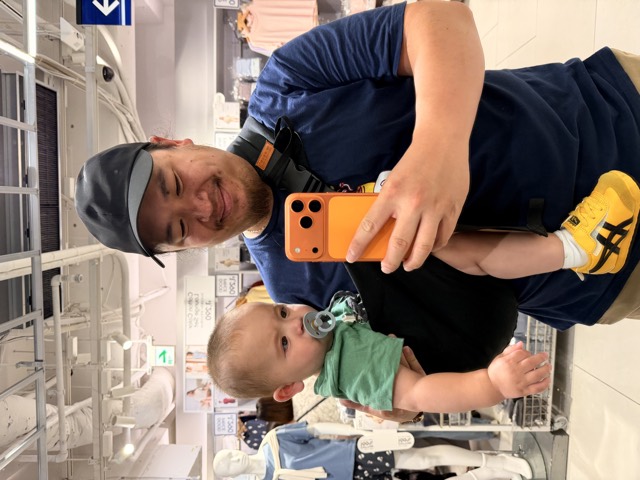
I travelled to Tokyo with a baby. The schedule got cut in half and the trip got better, which says something uncomfortable about how I used to travel.
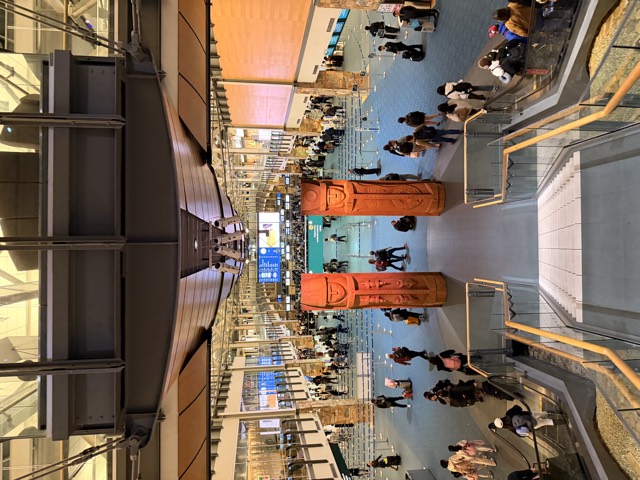
An airport arrivals hall is the most honest onboarding flow in the world. It has one shot, no instructions, and every user is tired.

Nobody buys anything at a trade show. Here is how I run three days on a show floor as a research budget, and what comes back into client work.

Twelve hours, no signal, and the best thinking I did all year.
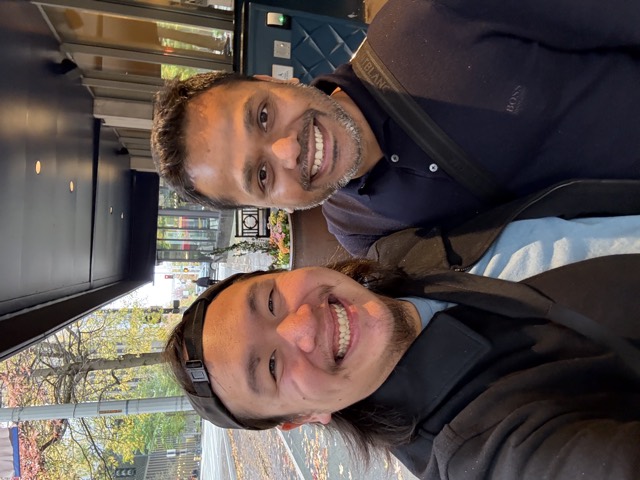
A year of video calls moved one account forward less than a two-hour flight and an afternoon on a Seattle sidewalk. What in-person actually buys.
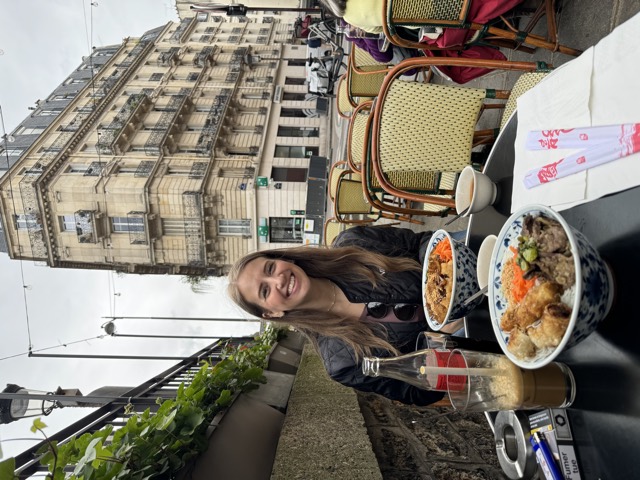
The real digital nomad life, not the Instagram version.
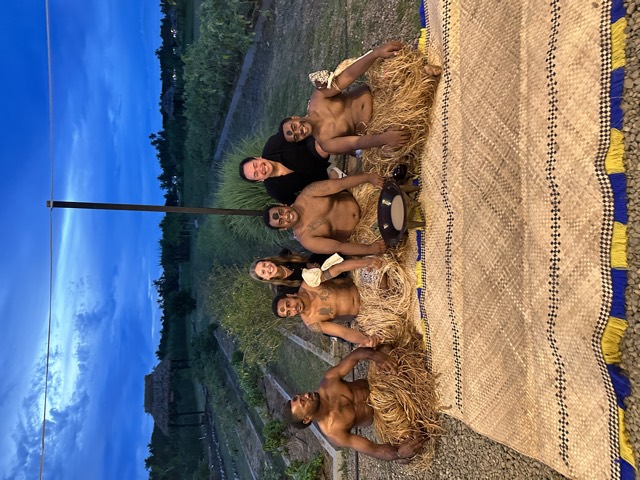
People I met on the road who changed how I see the world.
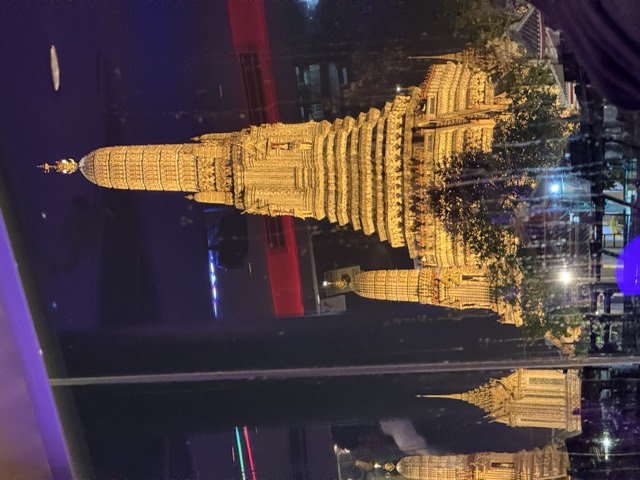
The region that feels like a second home.
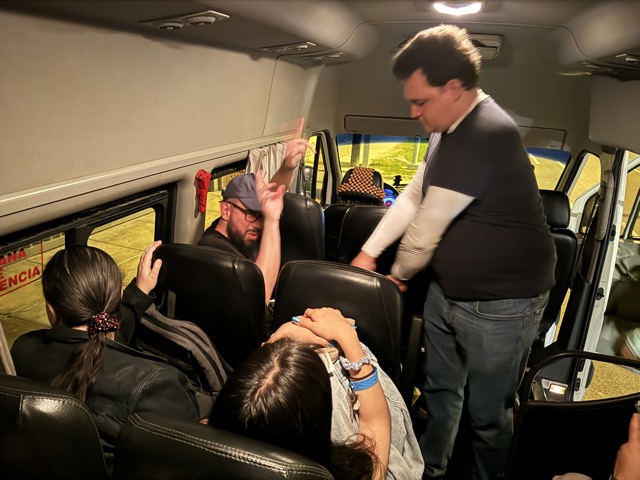
When the journey is the entire point.

South Africa's coast and the conversations you have when nobody's in a hurry.

What actually living in Germany taught me about work culture.
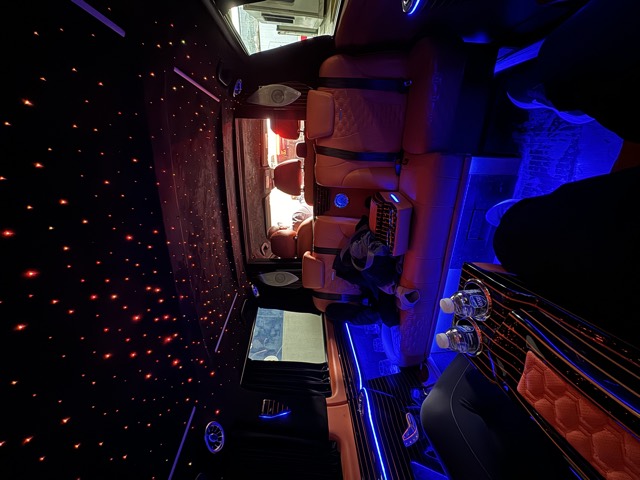
The quiet hierarchy of airport lounges says everything about how we signal success.

How you leave a place matters as much as how you arrive.

The best train stations are statements about what a society thinks travel should feel like.
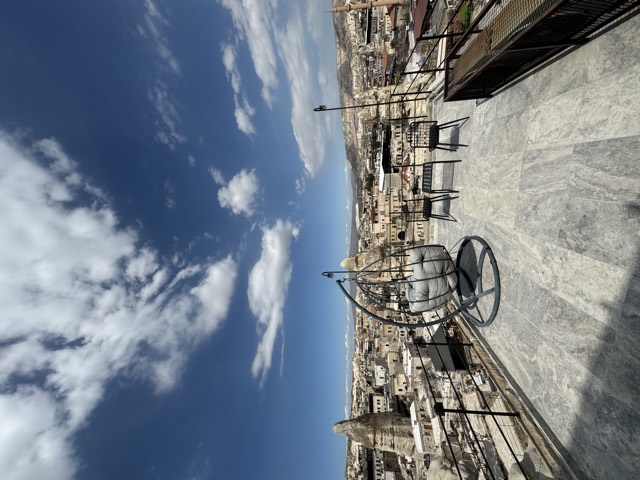
What happens to a place when geography forces isolation and self-reliance.
Leaving the screen behind in rural Morocco.
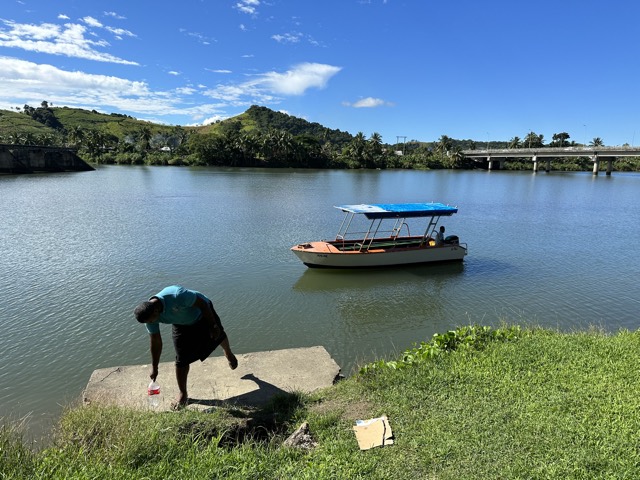
Rivers shaped trade, culture, and identity, and they still do.

What the world's most efficient city gets right and what it loses.

Street food economies are some of the most efficient businesses on earth.

Why the best things are almost never the expensive things.

The best museums are rarely the famous ones.

A city that rebuilt itself, and what founders can learn from it.

The unscientific but real phenomenon of arriving somewhere and knowing you belong.
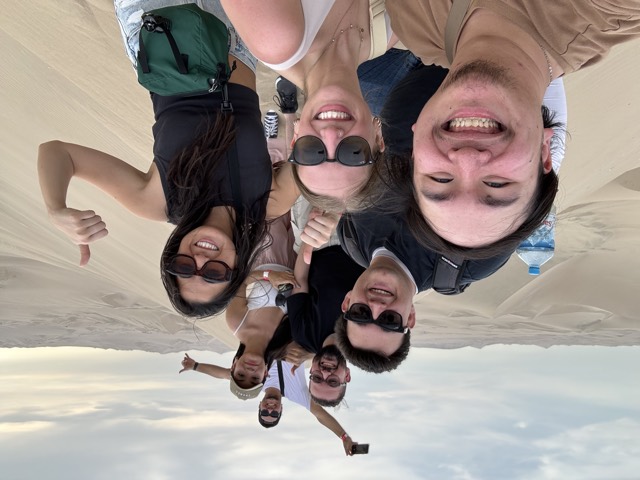
How arid landscapes strip everything down to essentials, including your thinking.

Port cities share a particular character that landlocked cities never develop.

Borders are where you feel the difference between countries most acutely.
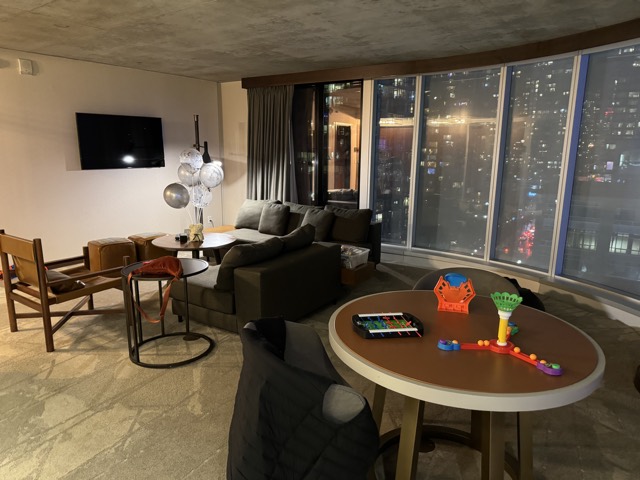
The case for choosing character over consistency when you travel.
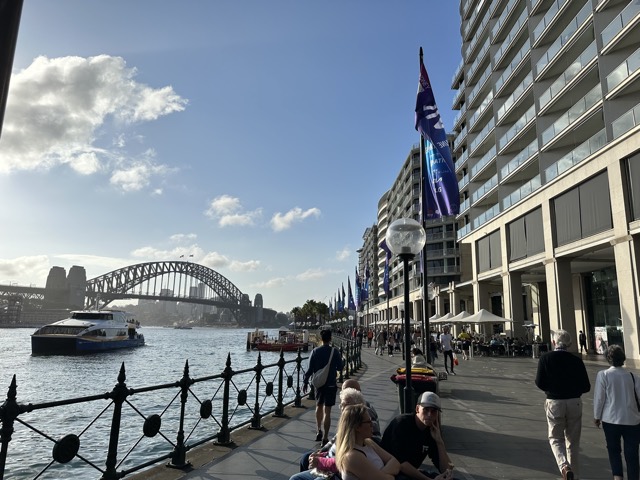
Slow travel across water changes your relationship with distance and time.

Mountains reshape how you think about distance, effort, and what counts as a neighbor.

36 hours from Hanoi to Ho Chi Minh on a sleeper car with strangers.
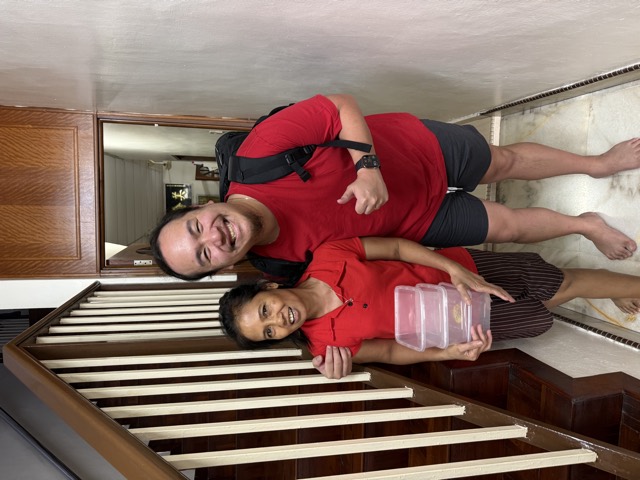
What shared dormitories and communal kitchens teach you about trust, boundaries, and resourcefulness.

The beauty of a city that doesn't explain itself to you.

Every city reveals its real character in the early morning hours, before the tourists arrive.
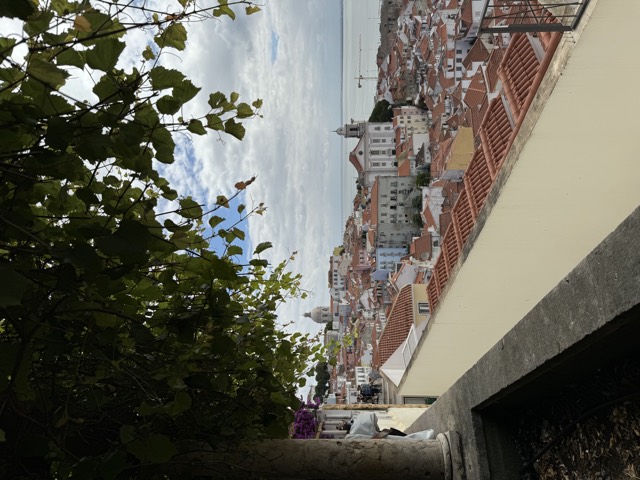
Finding a different rhythm in a city that doesn't rush.

How a city's walkability shapes the way you experience it, and what it reveals about its priorities.

What happens when you reduce your life to 40 liters and keep moving.
How people queue, eat, negotiate, and build trust in different parts of the world.
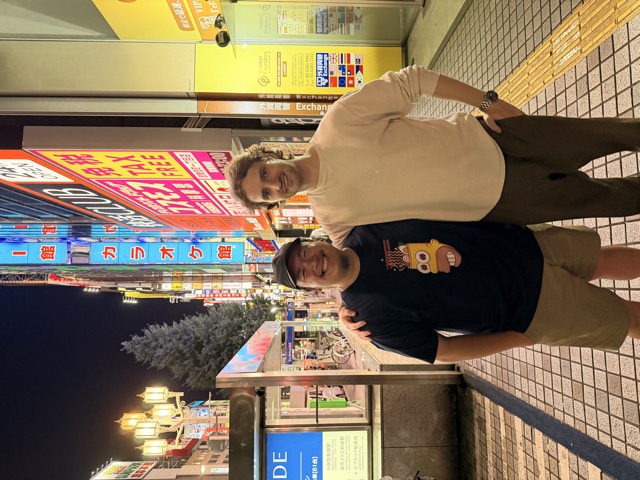
In a lot of the world the real conversation starts after the agenda ends. Why I pay for the meal, for clients and for my own team.

A hotel put a monster on its roof and it became a place people navigate by. The difference between a campaign and a permanent asset.

Half of international business is learning to hear a refusal.
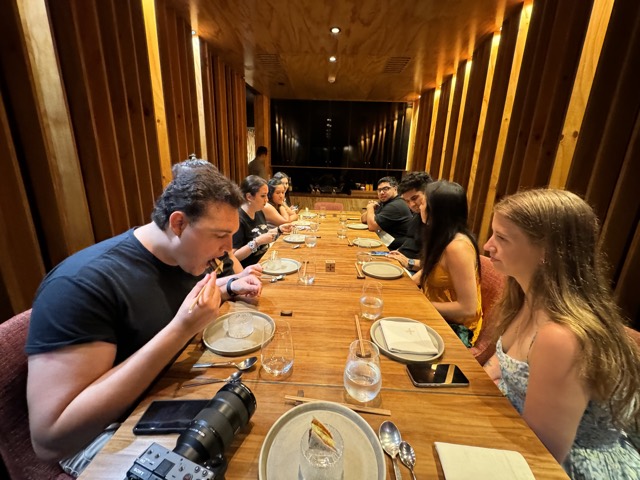
What a country eats tells you how it works.

What buildings built to last teach us about building companies to last.
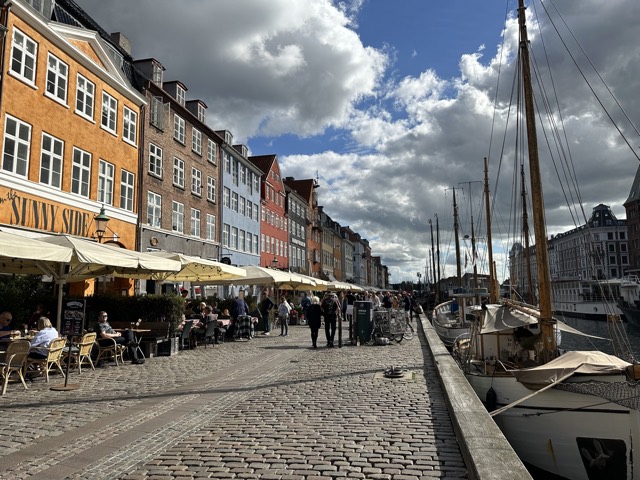
Simplicity as philosophy, from furniture to software.
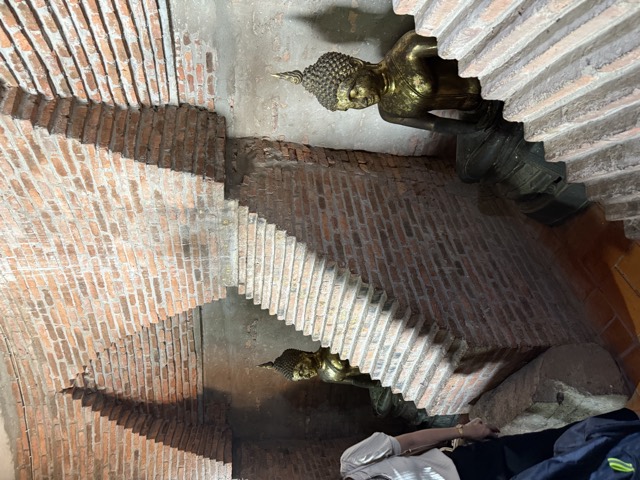
Where a handshake still means something.

The traits I've borrowed from every culture I've lived in.
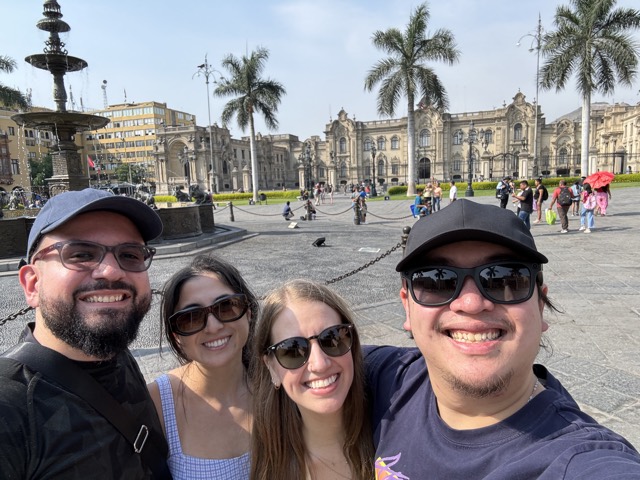
Hustle culture looks different in Bogota and it's worth paying attention.

How business etiquette varies more than you think.
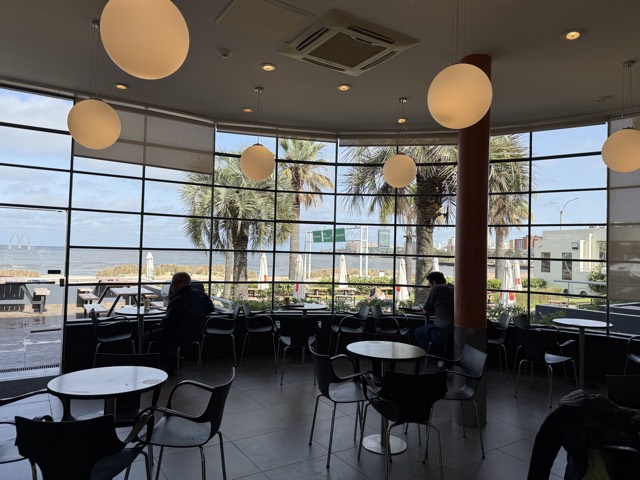
What the world's greatest city for late dinners teaches about hospitality.
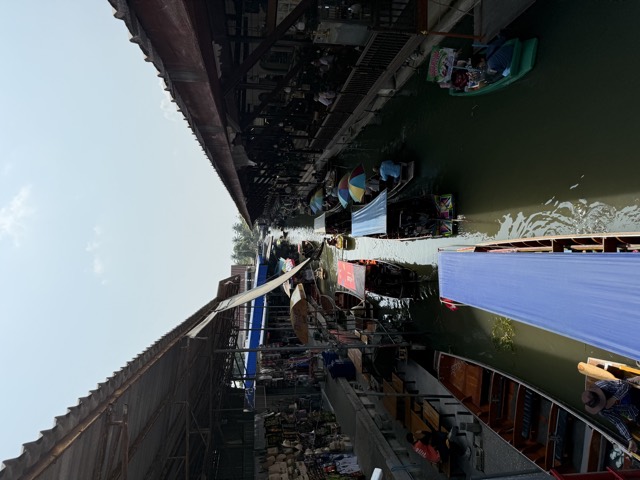
Negotiation, respect, and the economy of attention.

Barbershops are where you learn what a neighborhood actually thinks.
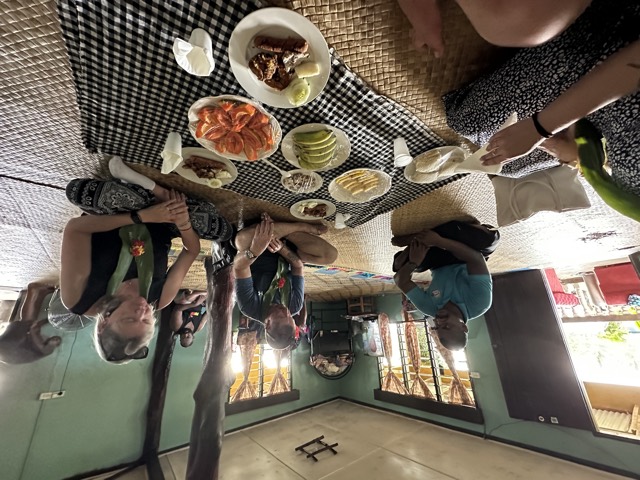
In some places, generosity isn't charity, it's infrastructure.
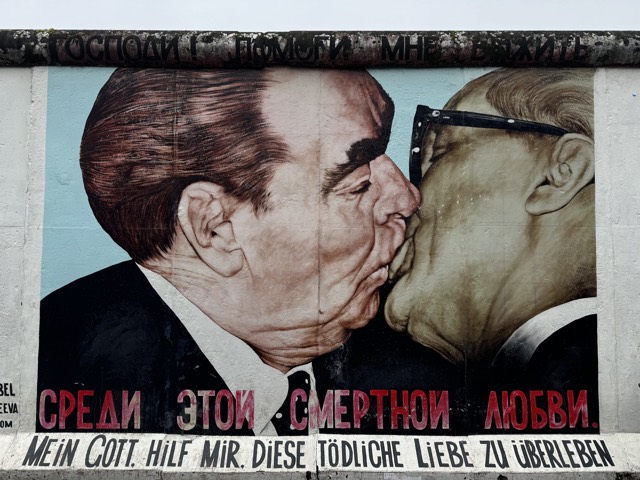
The line between vandalism and art tells you a lot about who gets to speak.

Some countries treat hospitality as a core value. The difference is unmistakable.
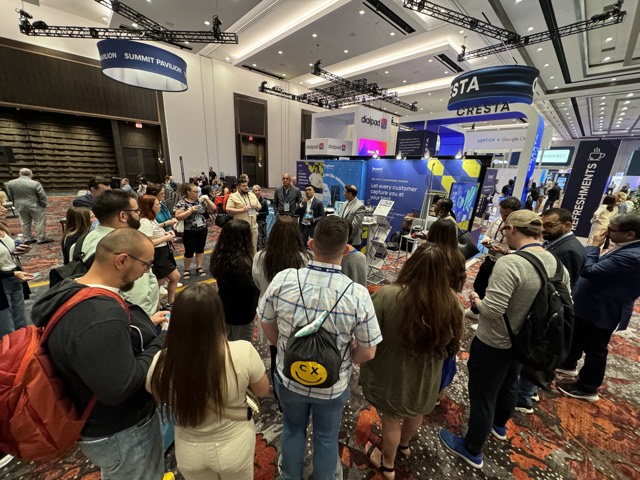
Queueing behavior is a surprisingly accurate window into social contracts.

You can map a region's history through its music better than through its textbooks.

Some cultures have elevated idleness to a practice. There's something to learn from that.
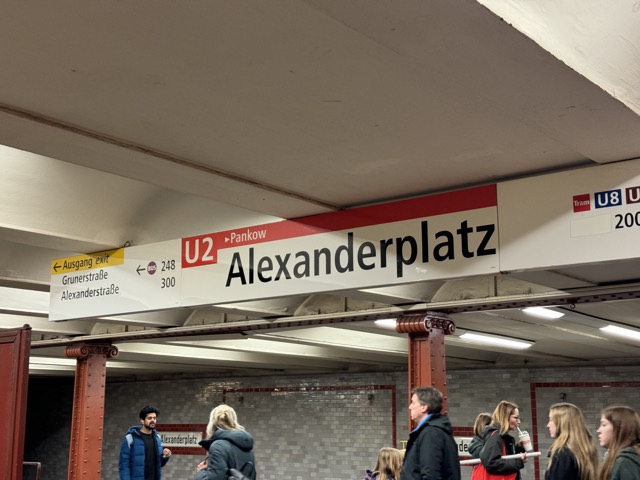
Show me how a city moves its people and I'll tell you what it values.

Punctuality, deadlines, and the future itself mean different things in different places.
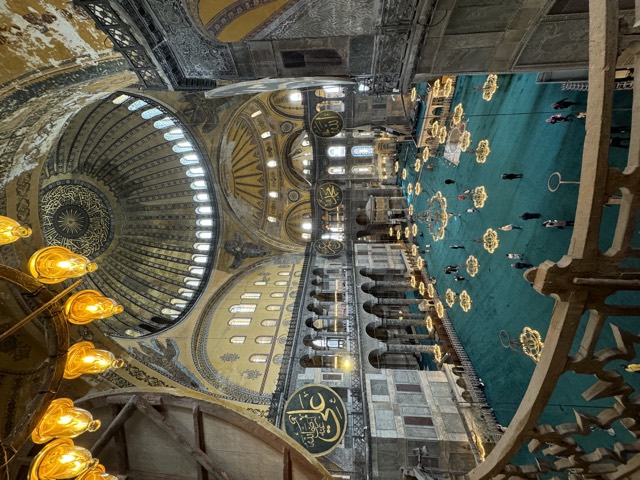
The built environment isn't just backdrop, it's instruction.
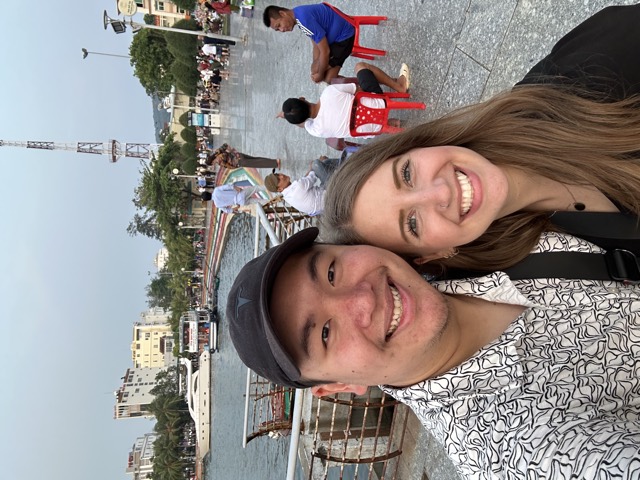
What speaking even a little of someone's language does to a relationship.

Not home, not work, the spaces in between that make a city livable.
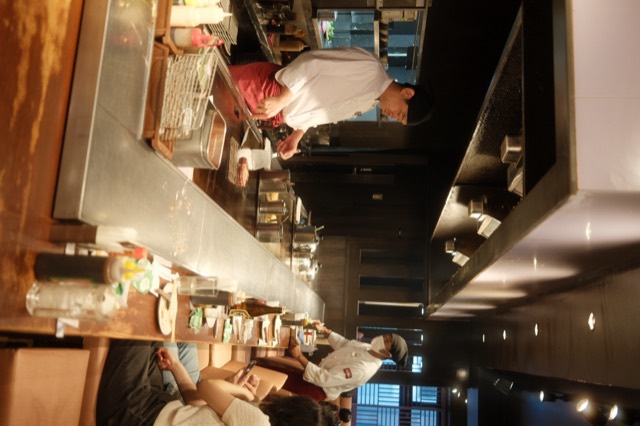
The underrated art of a solo dinner.
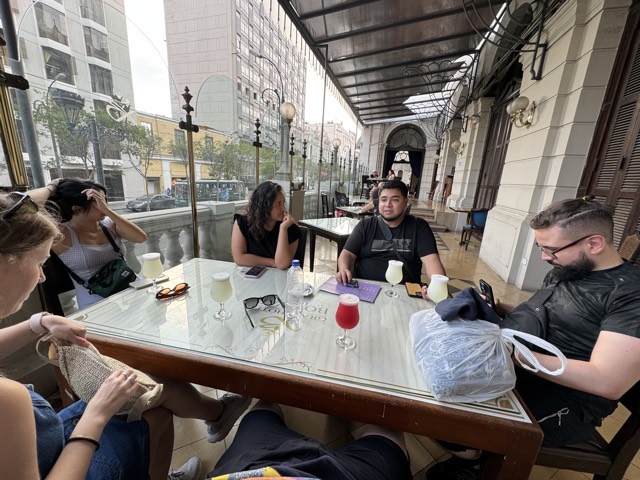
What feels like agreement in one culture reads as indecision in another.
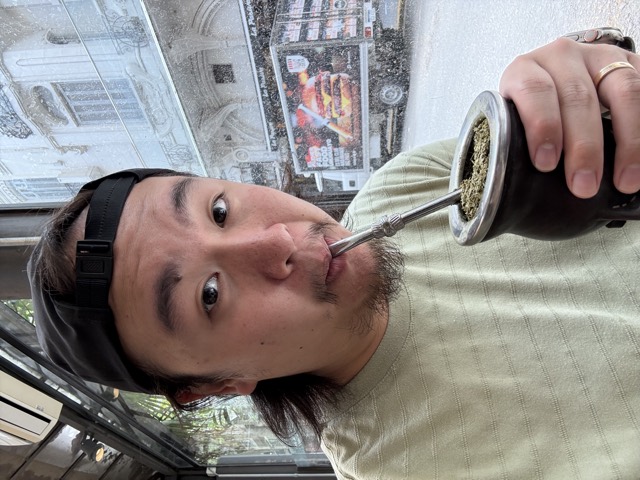
What a country's relationship with coffee tells you about everything else.

An honest reflection from someone who left and came back.

Walk speed, conversation length, meal duration, every city has a tempo, and it shapes everything.
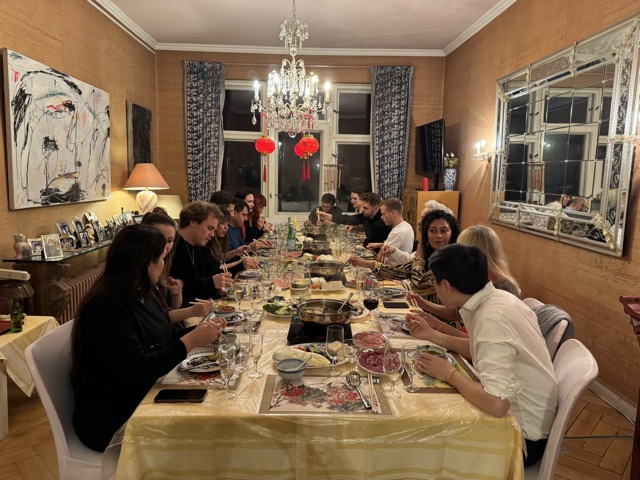
The business meal is an underrated diagnostic tool, if you know what to watch for.
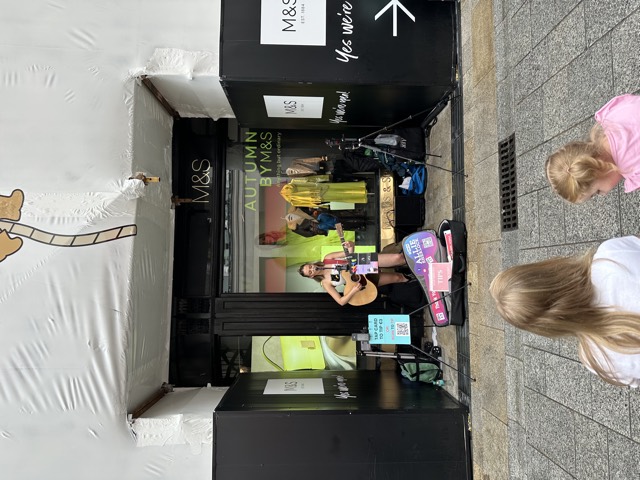
There's a particular kind of attention that comes from not understanding a word anyone is saying.
Slower thoughts on ambition, patience, seasons, and what the work is for.

Everyone watches the person at the microphone. The three-hour show is really a logistics system with a musician standing in front of it.
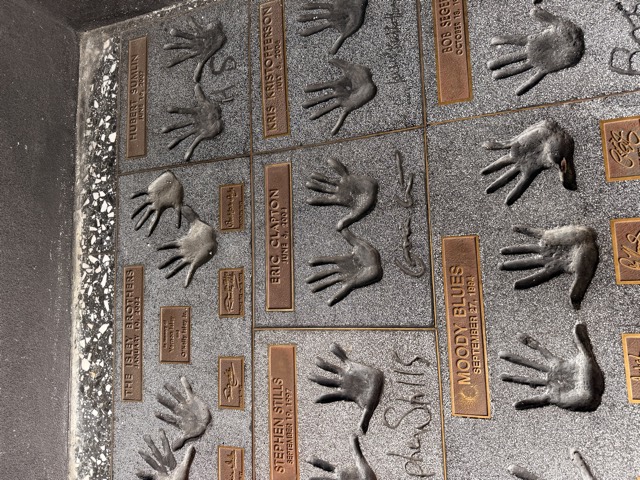
Seven sets of handprints in a Hollywood sidewalk, decades apart. Almost none of them belong to people who had one good year.
Reliability is the most boring competitive advantage, and the most durable.
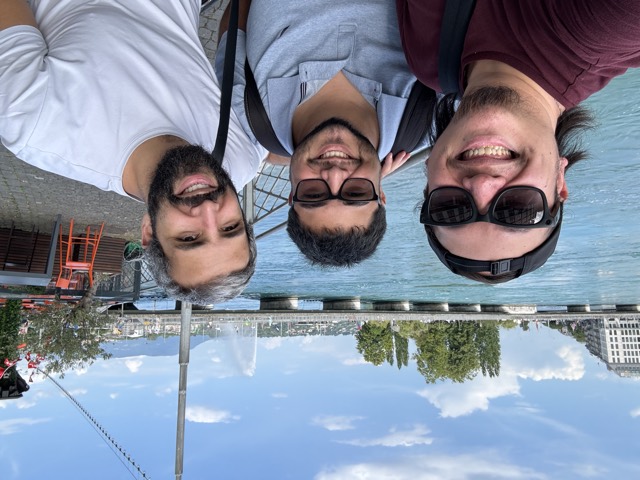
The decade where ambition meets reality, and the recalibrations that follow.
Why I write even when nobody reads it.

External expectations clarify. Internal expectations paralyze. Knowing which is which is the work.
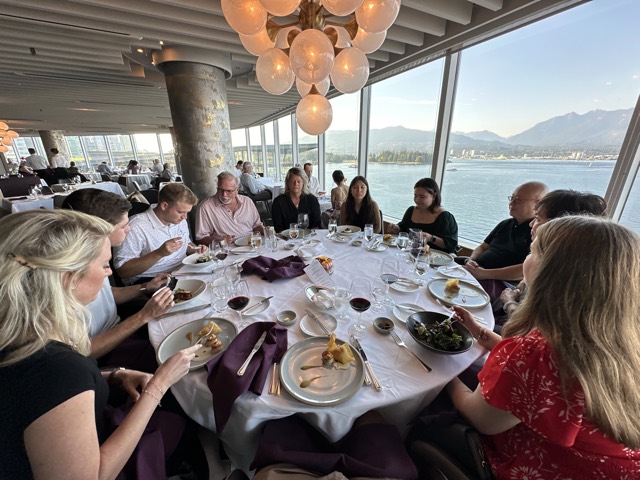
The handful of people who changed my trajectory.

How my worldview has shifted and why.

The most underrated professional skill is intellectual honesty about the limits of your knowledge.

Why integration is the better word and the better goal.

The cognitive benefits of displacement, and why staying in one place too long narrows your perspective.
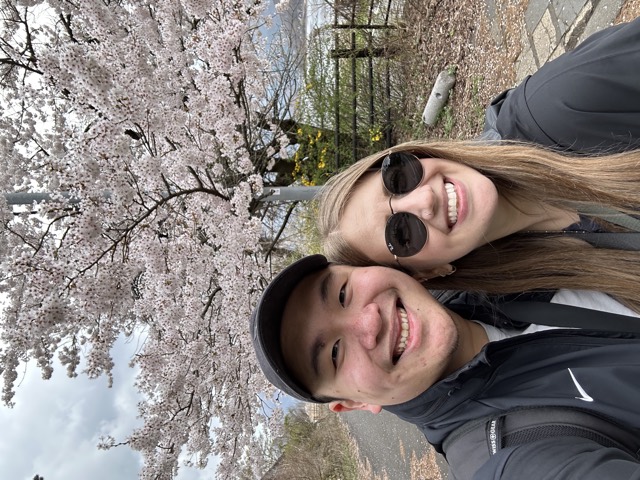
Business has seasons. So does motivation. Learning to read the cycle changes everything.

Your peer group shapes your ambition, your standards, and your blind spots.
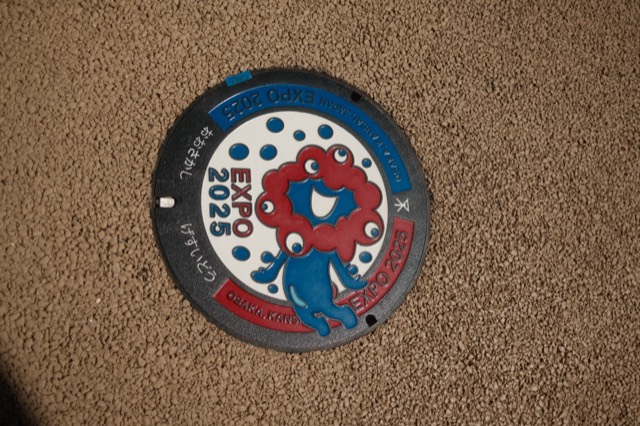
The gap between good and great is almost always in the details nobody asked for.

One lesson from every country, distilled to a sentence.

Can you want more and be happy with what you have?
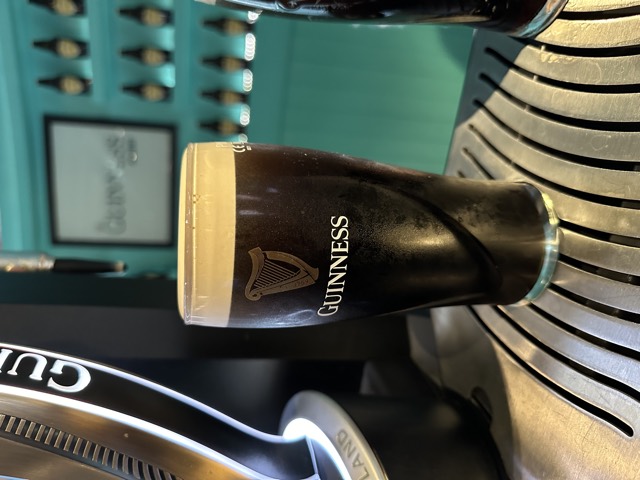
The books that shaped how I think aren't the ones with frameworks and case studies.

The immigrant work ethic and what it means to build something.
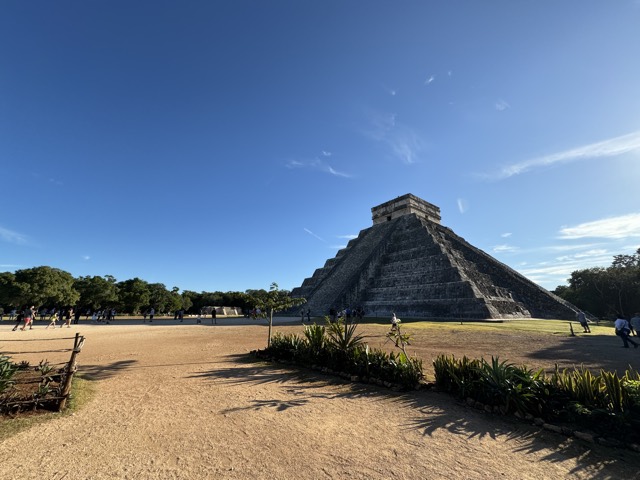
Keeping every door open is its own form of paralysis.

Not a listicle, an honest account of a few books that rewired me.

In a world optimized for speed, the willingness to wait is quietly powerful.

The parallels between distance running and company building are closer than most people think.

Most of what matters in a career happens in the decisions nobody notices.
Newsletter
Occasional essays on company building, global observations, and clear thinking. No spam. No SEO bait.