Every city has a tempo, and you can feel it within the first hour of arrival. Not see it, feel it. It’s in the speed of the pedestrians, the length of a transaction at a coffee shop, the rhythm of traffic lights, the average duration of a conversation between strangers. Some cities move at allegro. Others at adagio. Most people adjust unconsciously. I think it’s worth paying conscious attention.
Reading the Clock
The clearest indicator of a city’s pace is how people walk. New Yorkers walk like they’re late for something important, and the remarkable thing is that this is true whether they’re commuting to a meeting or going to buy a sandwich. The speed is constant because the speed is cultural, not situational. It’s a city-wide agreement that forward motion is virtuous and dawdling is a minor moral failing.
Compare this to Buenos Aires, where the walking speed drops by what feels like forty percent. People stop to talk on the sidewalk. They stand in front of a shop window without any apparent intention of entering. They walk slowly not because they have nowhere to go, but because the going is part of the experience. The porteño relationship with time is fundamentally different from the New York relationship with time, and you can measure it in footsteps per minute.
Singapore splits the difference in a way that reflects its character precisely. The pace in the CBD during business hours is New York-fast, people moving with purpose, earbuds in, faces set. But step into a hawker centre at lunch and the tempo shifts entirely. The queue moves at its own speed. The uncle behind the wok is not rushing for anyone. You wait, and the waiting is understood as part of the transaction. The city code-switches between tempos depending on context, and everyone knows which tempo applies where.
The Coffee Test
You can also measure a city’s pace by how long it takes to get a coffee.
In Milan, an espresso at the bar takes ninety seconds. You walk in, you order, the barista pulls the shot, you drink it standing, you leave. There are no large cups because there is no concept of lingering over coffee while standing at a bar. The coffee is a punctuation mark, not a paragraph.
In Istanbul, tea arrives without being ordered and the conversation it accompanies might last an hour. The tea is not the point, the sitting is the point. The transaction at a shop in the Grand Bazaar begins with tea, proceeds through twenty minutes of conversation that has nothing to do with the merchandise, and only eventually arrives at the subject of price. Trying to skip to the price is not just rude; it’s incomprehensible. Why would you skip the best part?
In Melbourne, the coffee culture is a hybrid, serious about quality (the flat white was arguably born there) but relaxed about pace. A café visit might take fifteen minutes or two hours. The ambiguity is intentional. The city gives you permission to stay without obligating you to leave.
What Pace Reveals About Values
A fast city values productivity, efficiency, and measurable output. The infrastructure is designed for throughput: express trains, quick-service restaurants, automated everything. The implicit message is that your time is scarce and the city’s systems exist to help you spend it on what matters, which is, by default, work.
A slow city values presence, relationship, and process. The infrastructure accommodates lingering: wide sidewalks, park benches, cafés with no Wi-Fi and no pressure. The implicit message is that being somewhere is inherently valuable, independent of what you accomplish while you’re there.
Neither is correct. Both are revealing.
When I started PipelineRoad with Bruno, we had to decide what pace to operate at. Bruno is Brazilian; I’ve spent enough time across enough cultures to know that the American startup tempo, move fast, break things, always be closing, isn’t the only viable speed. We landed somewhere in between: urgent about client delivery, patient about company building. Fast on execution, slow on strategy. This hybrid pace is itself a reflection of the cultural inputs that shaped us.
The Conversation Length
Pay attention to how long a conversation lasts in a given city, and you’ll learn something about what that culture considers adequate human connection.
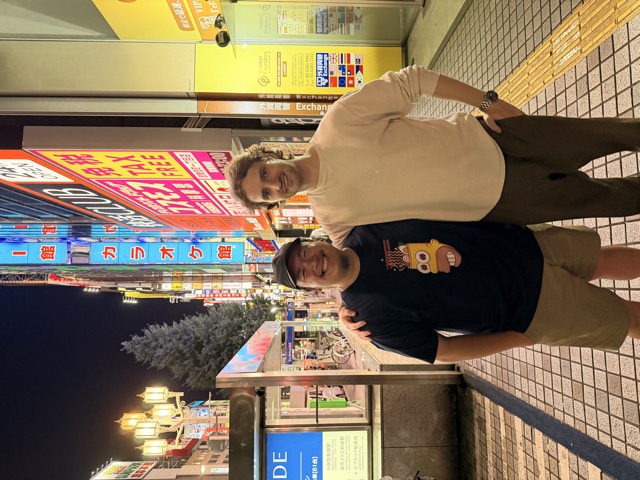
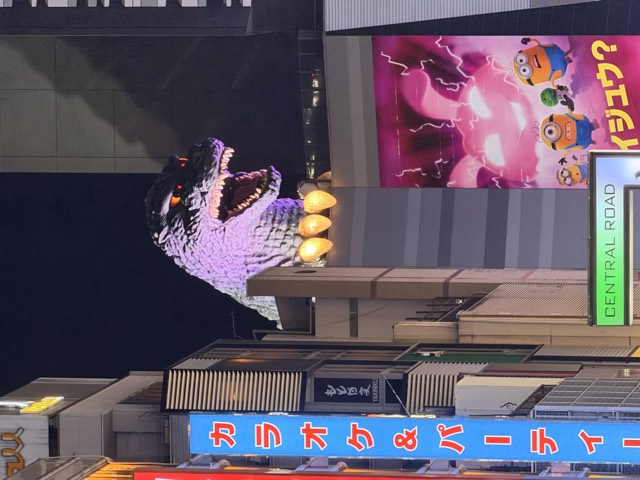
In Tokyo, a conversation with a stranger might last thirty seconds and contain everything that needs to be communicated. The bow, the exchange of information, the farewell, all conducted with precision and mutual respect. Brevity is not coldness. It’s a form of consideration: I value your time, so I won’t waste it.
In Medellín, a conversation with a stranger might last thirty minutes and cover family, football, politics, and the weather before arriving at the reason you started talking. The length is not inefficiency. It’s a form of investment: I value this interaction, so I’ll give it the time it deserves.
Both approaches build trust. They just build different kinds.
Adjusting Your Own Tempo
The most useful skill I’ve developed as someone who works across markets and cultures is tempo-matching. When I’m in a meeting with a German client, I move at their pace, prepared, structured, direct. When I’m working with a Brazilian partner, I move at theirs, relational first, business second, trust built through time rather than credentials.
This isn’t code-switching in a performative sense. It’s genuine adaptation. If you respect a culture’s tempo, you operate more effectively within it. If you impose your own tempo, you create friction, even if no one says so.
The cities that have taught me the most are the ones whose tempo was most different from my default. Because adjusting your pace forces you to question it, and questioning your pace is really questioning your priorities. What am I rushing toward? What am I too slow to notice? What would change if I sped up, or slowed down, by just ten percent?
Every city answers these questions differently. The trick is being quiet enough to hear the answer.