I’ve closed more deals over dinner than I ever have in a conference room.
That’s not a testament to my charm. It’s a testament to what happens when you remove the formal architecture of a business meeting, the agenda, the slides, the screen share, the ticking clock, and replace it with bread, wine, and two hours with nowhere else to be. People reveal themselves at the table in ways they never do in a Zoom call.
The Diagnostic Meal
The business meal is one of the oldest diagnostic tools in commerce, and it’s badly underused. Not the performative dinner at the Michelin-starred restaurant where everyone is on their best behavior. I mean the functional meal, the lunch on a Tuesday, the coffee that runs long, the dinner at the place someone actually goes to, not the place they think will impress you.
At these meals, you learn things that no amount of due diligence can surface. How does this person treat the server? Not when things are going well, anyone can be gracious when the steak is perfect, but when the order is wrong, or the wait is long, or the wine they wanted isn’t available. The way someone handles minor friction in a restaurant is a preview of how they’ll handle minor friction in a business relationship.
I’ve walked away from potential partnerships based on what I observed at dinner. Not because of anything said, the conversation was perfectly professional, but because of how the person interacted with everyone who wasn’t me. Dismissive with the server. Impatient with the sommelier. Barely acknowledged the busser. If that’s your default setting in a social context, I know exactly how you’ll treat my team when a project hits a rough patch.
What Different Cultures Teach You
Traveling through forty-plus countries has given me a deep appreciation for how differently cultures use the meal as a social and business technology.
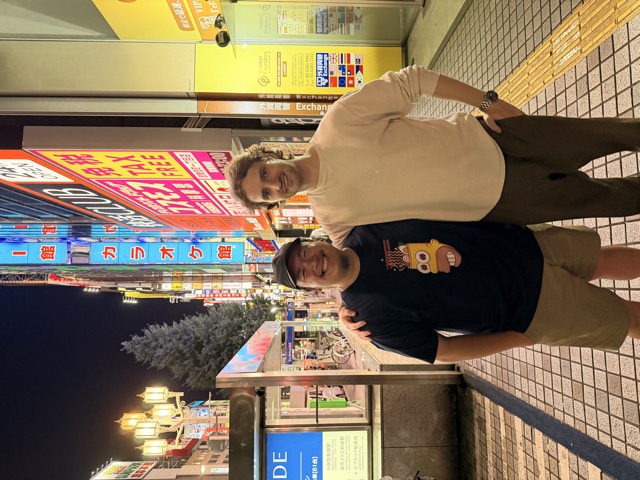
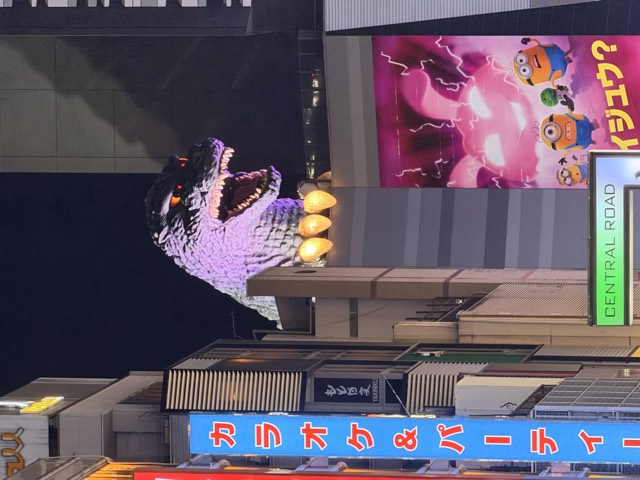
In Japan, the business dinner is an exercise in indirection. The real conversation, the thing everyone actually wants to discuss, doesn’t happen until well into the evening, usually after several rounds of drinks. The early portion is atmosphere-building. You talk about anything except business. The unspoken rule is that trust must be established through shared experience before commercial matters can be raised. Rushing this process is the fastest way to kill a deal.
In Brazil, the meal is the meeting. Bruno and I have spent countless dinners with clients and prospects where the table was the boardroom. The conversation moves fluidly between personal stories, business strategy, and gossip. There’s no agenda because the agenda is connection. The Brazilians I’ve worked with evaluate business relationships primarily through personal chemistry, and the dinner table is where that chemistry is tested.
In Germany, the business meal is efficient even when it’s social. Lunch is common; dinner is reserved for closer relationships. The conversation tends to be more structured, even in informal settings. A German client once told me, only half-joking, that the purpose of a business lunch was to confirm that both parties were reasonable people before signing a contract.
Each of these approaches works within its context. The mistake is assuming your culture’s approach is universal.
The Meal as Equalizer
One of the reasons I value the business meal is that it flattens hierarchy in ways that office settings can’t.
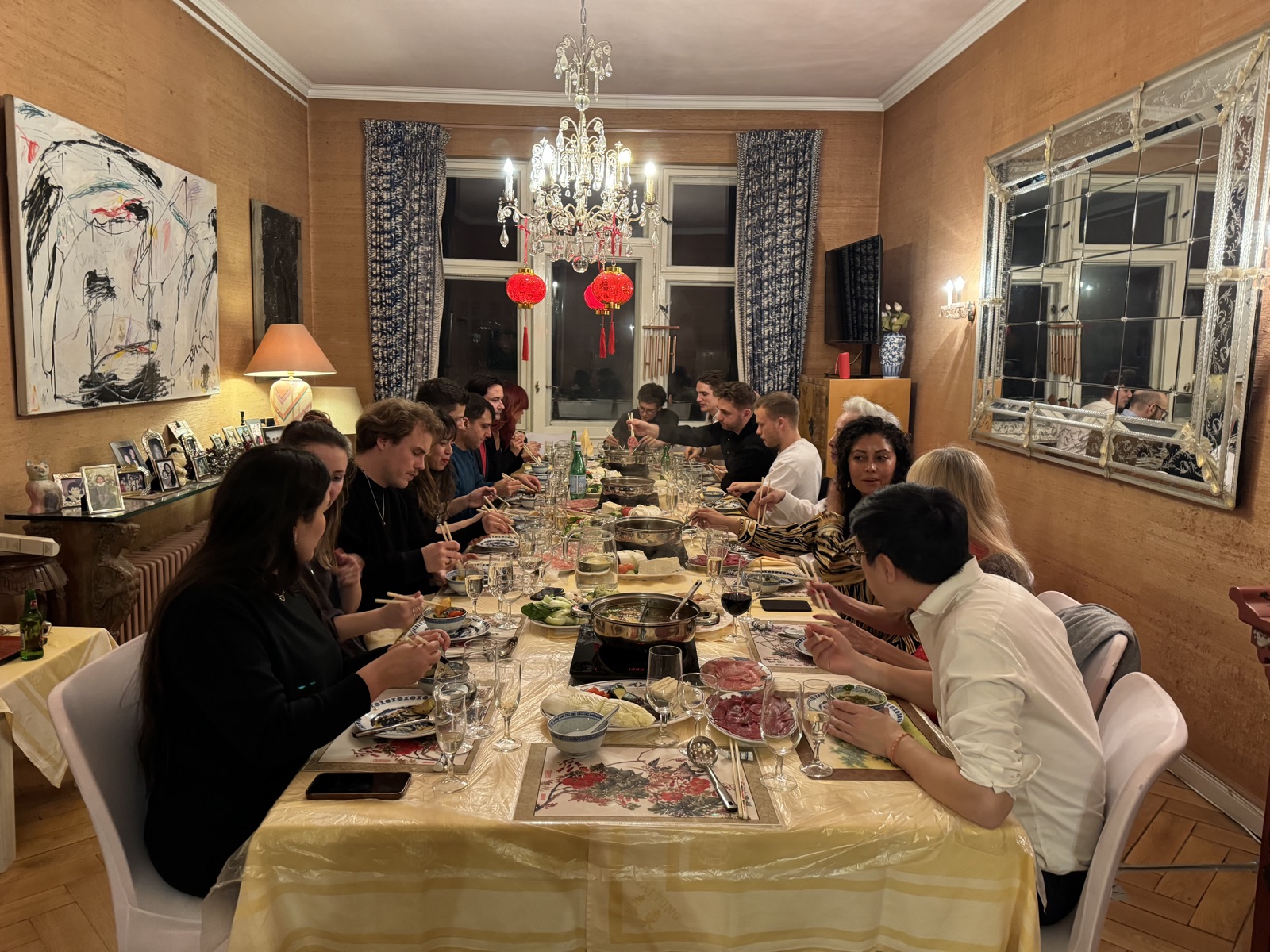
In a meeting room, the power dynamics are architectural. Someone sits at the head of the table. Someone controls the screen. Someone sets the agenda. The room itself reinforces status. At a restaurant, the architecture works differently. Everyone is seated at the same level. The server treats everyone equally (or should). The food arrives on everyone’s plate at the same time. There’s a democratizing effect that makes it easier for quieter voices to be heard and for honest conversation to emerge.
I’ve had junior team members share their best ideas over lunch, ideas they would never have surfaced in a formal meeting, because the context didn’t give them permission. The meal gave them permission.
What to Watch For
After years of paying attention, here’s what I notice at business meals:
Ordering behavior. Does the person order quickly and decisively, or do they agonize? Do they ask the server for recommendations, or do they already know what they want? Neither is better, but both reveal something about decision-making style.
Listening quality. In a restaurant, there’s no mute button, no chat window, no second screen. You can see whether someone is actually listening or waiting for their turn to talk. The eyes tell you everything.
Generosity signals. Who offers to pour the water? Who notices that someone’s glass is empty? Who suggests sharing dishes? These micro-behaviors are proxies for how someone operates in a team, whether they’re attuned to others’ needs or focused primarily on their own.
The check moment. How the bill is handled reveals more about someone’s relationship with money and status than any financial statement. The people I most enjoy working with handle it matter-of-factly, neither ostentatiously generous nor awkwardly stingy.
The Real Meeting
Every formal meeting is preceded or followed by an informal one. The conversation in the elevator. The chat in the parking lot. The five minutes before the Zoom starts when someone forgets to hit mute and you hear their real voice.
The business meal is the longest, richest version of this informal meeting. It’s where relationships are actually built, where trust is actually established, and where the quality of a potential partnership is actually assessed.
Ignore what happens at the table, and you’re making decisions with half the information. Pay attention, and the table tells you nearly everything you need to know.