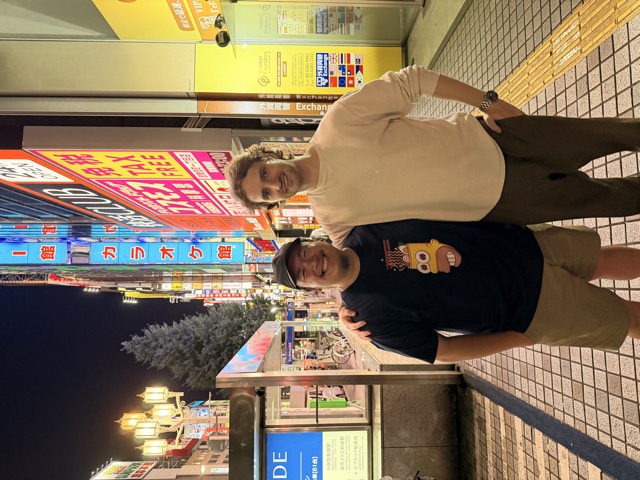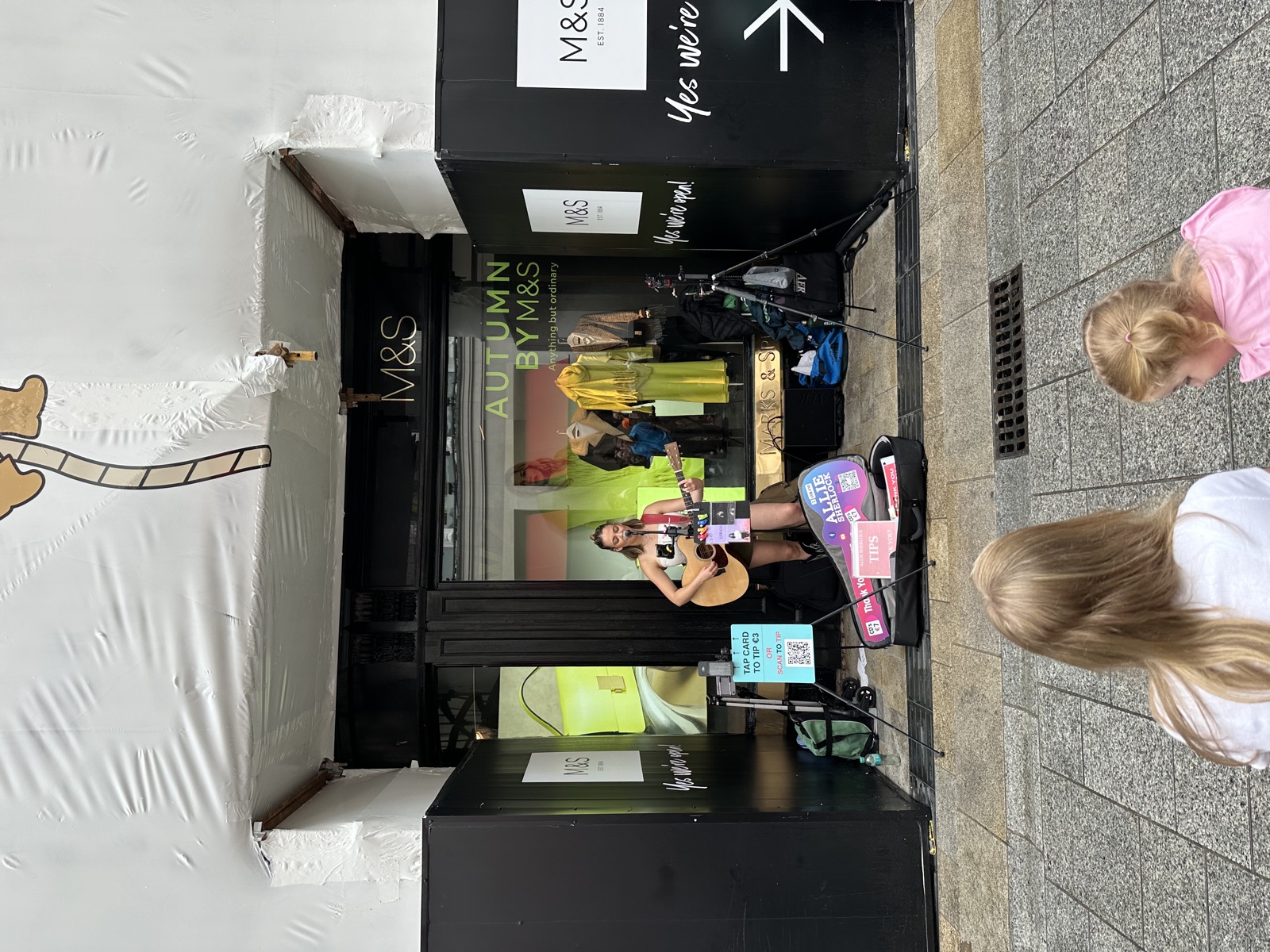
There’s a moment, usually on the first morning in a new country, when you step outside and realize you can’t understand anything. Not the conversation at the next table, not the announcement on the metro, not the handwritten sign in the shop window. The entire sonic landscape is opaque. You are, for all communicative purposes, a very observant animal.
Most people find this uncomfortable. I’ve come to think it’s one of the most valuable states a person can occupy.
The Texture of Incomprehension
When you don’t understand the language, you start hearing it differently. You hear music instead of meaning. The staccato rhythm of Cantonese in a Hong Kong market. The rolling, vowel-heavy warmth of Portuguese in a café in Porto. The clipped efficiency of German on a train platform. The way Arabic rises and falls like a conversation between instruments.
You stop listening for content and start listening for texture. Tone. Tempo. The way someone’s voice drops when they’re being sincere versus when they’re being polite. The sound of laughter in a language you don’t speak, which, it turns out, sounds exactly the same in every language. The universal music of someone trying to explain something complicated and failing and trying again.
This is not a trivial observation. In my work running a B2B marketing agency across multiple markets, I’ve learned that tone carries more information than words in almost every business context. The words in a pitch deck are usually generic. The tone of the founder presenting it tells you everything. Comprehension can actually get in the way of perception.
What You Notice When Words Disappear
Strip away linguistic understanding and your other senses compensate. Sitting in a restaurant in Seoul, unable to read the menu or follow the conversation at the next table, I found myself noticing things I’d normally miss. The way the waitress tilted her head before taking an order. The specific gesture, palm up, fingers together, a man used to call his friend’s attention. The rhythm of service: how quickly the banchan appeared, how the soju was poured with two hands, how the bill was settled with a nod rather than a request.
These observations aren’t available to you when you’re tracking the words. Language is so demanding of cognitive bandwidth that it crowds out everything else. When the words go dark, the visual and kinesthetic channels open wide.
I’ve noticed the same thing in meetings conducted in a language I only partially understand. Sitting in on a conversation in Brazilian Portuguese, a language I can follow at maybe sixty percent, I catch things that fully fluent participants miss. The slight hesitation before a commitment. The way someone’s body language contracts when they disagree but don’t want to say so. The micro-expression that flashes across a face before the diplomatic response arrives.
The Ego Reduction
There’s also something humbling about linguistic helplessness, and the humbling is useful.
In your own language, you’re competent. You can charm, argue, deflect, negotiate. You have status through fluency. Drop into a language you don’t speak and all of that evaporates. You’re reduced to pointing, smiling, and hoping someone is patient enough to help you. You become dependent on kindness.
This is good for you. Not in a character-building, eat-your-vegetables way, but in a practical, recalibration-of-self-importance way. The world is enormous and most of it operates in languages you will never speak, in systems you will never fully grasp, with references you will never catch. That’s not a problem to solve. It’s a reality to sit with.
Every time I land somewhere new and the linguistic fog descends, I’m reminded that my competence is local. What I know how to do, build marketing strategies, write positioning, manage client relationships, works in specific contexts. Outside those contexts, I’m just a person trying to figure out which button on the ticket machine means “one-way.”
The Return
The strangest part is what happens when you come home. After spending time immersed in a language you don’t speak, your own language sounds different for a few days. English, which normally functions as invisible infrastructure, you think in it without hearing it, suddenly has a texture again. You notice its rhythms, its crutch words, its particular music.
You hear yourself say “I mean” and “you know” and “like” and realize these are not content. They’re pacing mechanisms. Social lubricant. Filler that keeps the conversational engine running while the mind catches up.
This awareness fades. Within a week you’re back to treating your language as transparent, as pure meaning without form. But for those first few days, you hear it the way a foreigner hears it: as sound first, meaning second. And in that gap between sound and meaning, there’s a clarity that’s hard to find any other way.
The best travelers I know aren’t polyglots. They’re people who’ve learned to be comfortable in the space where understanding breaks down, and to pay attention to what fills the silence.