The first time I closed a deal in Japan, I thought it had fallen through. We’d spent an hour in a meeting room in Shibuya, gone through the proposal in meticulous detail, and at the end the lead nodded slowly and said something I later learned translates roughly to “we will consider this carefully.” No handshake. No timeline. No next steps. Just a polite escort to the elevator and a bow.
I walked back to my hotel convinced we’d lost it. Two weeks later, the signed contract arrived by email with every term we’d proposed, unchanged. Not a single line had been negotiated. They’d simply needed time to build internal consensus, a process that, from the outside, looked like silence.
That experience broke something useful in me: the assumption that negotiation has a universal shape.
The Western Default
Most of what gets taught about negotiation in business schools and sales trainings comes from a distinctly Anglo-American tradition. The model is adversarial. Two parties enter with positions. They trade concessions. The best negotiator extracts the most value or, in the more enlightened frameworks, finds the largest zone of possible agreement.
This model assumes that negotiation is a discrete event, a meeting, a call, a back-and-forth over email. It starts, it progresses, it concludes. There is a winner, or at least a signed document. The goal is closure.
It works beautifully in New York, London, and Sydney. It works reasonably well in most of Northern Europe. It breaks completely in about two-thirds of the world.
Consensus and Silence
In Japan and much of East Asia, the negotiation often happens before the meeting. By the time you’re sitting across the table from someone, the internal decision has largely been made. The meeting is ceremonial, a space for confirming alignment, not creating it. Pushing hard in that room isn’t assertive. It’s disrespectful. It suggests you don’t trust the process they’ve already run.
The Japanese concept of nemawashi, literally “going around the roots”, describes the practice of building support for a decision by consulting every stakeholder individually before the formal discussion. It’s slow by Western standards. It’s also why, when a Japanese company says yes, they mean yes in a way that an American company’s verbal commitment rarely matches.
I’ve seen Western founders interpret Japanese politeness as weakness. They push for faster timelines, escalate to senior contacts, send follow-up emails with artificial urgency. It almost never works. What it does is signal that you don’t understand how decisions get made here, which is a polite way of saying you’re not worth doing business with.
The Long Lunch
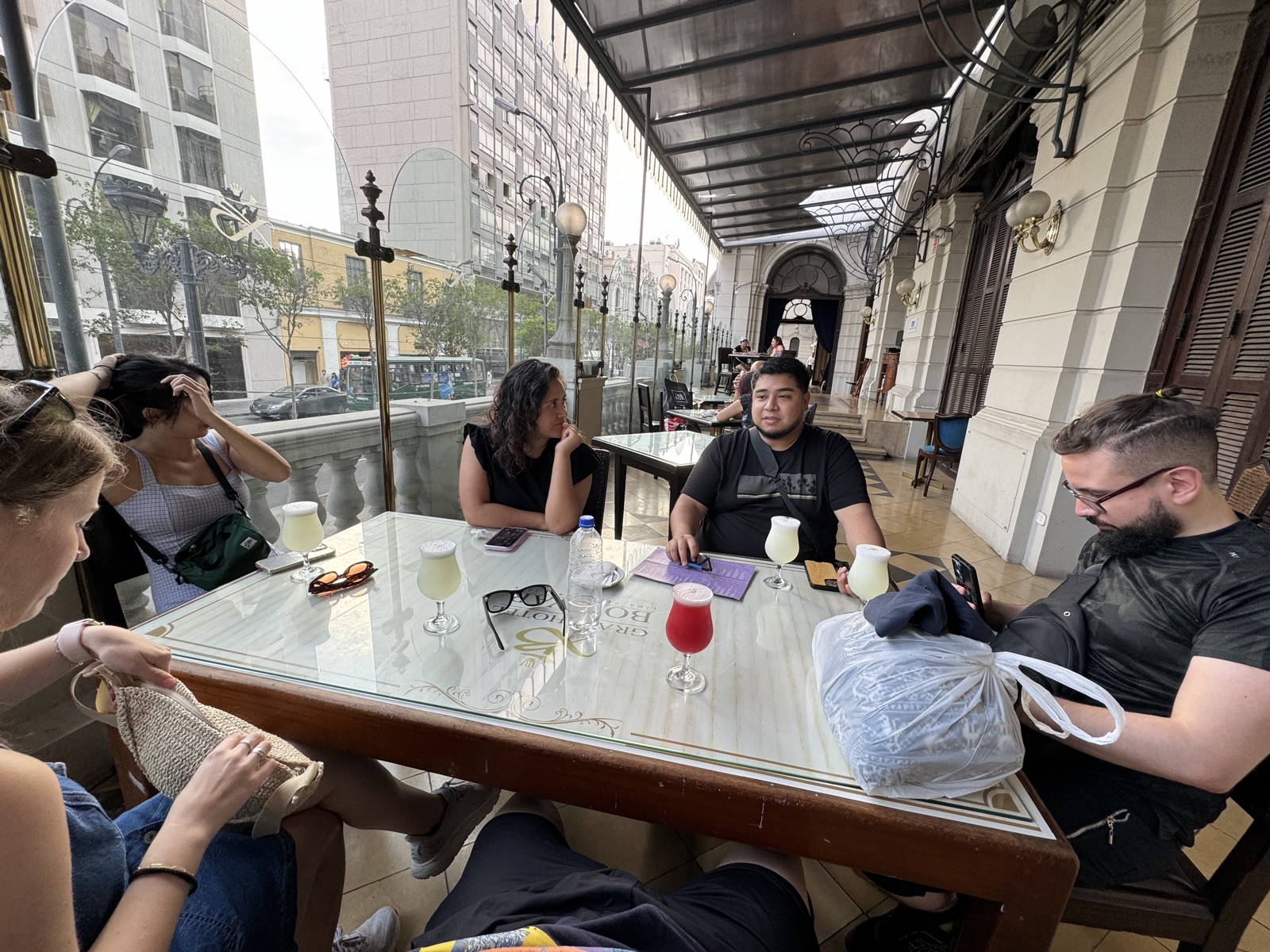
Latin America taught me something different. In Brazil, where Bruno and I have deep roots, negotiation is relational before it is transactional. The deal doesn’t start when you sit down to discuss terms. It starts when you sit down to eat.
A business lunch in São Paulo can stretch for hours, and the actual business might occupy fifteen minutes of it. The rest is conversation, about family, about travel, about football, about politics (carefully). This isn’t wasted time. It’s due diligence. The person across from you is trying to determine whether you are someone they want to be in a long-term relationship with, because in Brazilian business culture, the relationship is the contract. The signed document is almost secondary.
I’ve watched American companies send their most efficient operators to Latin America and fail spectacularly. They arrive with agendas, timelines, and a flight back the same evening. They treat the lunch as an obstacle to the meeting. They don’t understand that the lunch is the meeting.
The Souk and the Boardroom
In the Middle East and North Africa, negotiation is an art form with its own aesthetics. The opening ask is intentionally unreasonable, not because anyone expects to land there, but because the negotiation itself is valued. The back-and-forth is the point. Agreeing too quickly is suspicious. It suggests you either don’t value what you’re selling or don’t respect the process enough to engage with it.
Walking away is not an insult. It’s a move. Coming back the next day is not weakness. It’s interest. The entire dance has a rhythm that rewards patience and punishes urgency.
Running PipelineRoad, where we work with B2B SaaS companies across multiple geographies, I see these patterns collide constantly. A founder in Berlin wants a yes-or-no answer by Friday. Their prospect in Dubai wants three more conversations over tea. Neither is wrong. They’re operating from different assumptions about what negotiation is for.
The German Precision
In Germany, the negotiation is the document. Germans negotiate by preparing. They arrive with detailed proposals, thorough research, and specific terms. The meeting is for clarifying details, not for persuasion. Attempting to charm a German counterpart into a deal feels, to them, like you’re trying to compensate for a weak proposal.
The flip side is that once terms are agreed, they’re concrete. A verbal commitment from a German company carries weight that, in other cultures, only a signed contract would. I’ve found that the fastest way to earn respect in German business is to over-prepare and under-promise. Show your work. Let the numbers do the talking.
What Negotiation Actually Is
The longer I spend working across borders, the more I think the word “negotiation” is doing too much work. It bundles together activities that are fundamentally different depending on where you are: relationship-building, consensus-forming, status-signaling, trust-testing, and yes, occasionally, haggling over price.
The best cross-cultural negotiators I know, and I’ve met a few who are genuinely world-class, share one quality. They don’t default to their own style. They watch first. They figure out what game is being played before they make their first move. They treat the other side’s approach not as an obstacle to overcome, but as information about what matters.
That contract from Japan taught me more about business than any negotiation book I’ve read. Sometimes the best deal you make is the one where you do nothing at all, and let the other side’s process run its course.