If you want to understand a city, set an alarm for 5 AM and find the nearest market.
Not the tourist market. Not the one with the hand-lettered signs in English and the artisanal honey and the guy selling prints of the skyline. The real one. The wholesale produce market, the fish market, the one where restaurants buy their ingredients before sunrise. The one that smells like wet concrete and diesel and cardamom.
I’ve made a habit of this in nearly every city I visit, and it has never failed to teach me something the rest of the day wouldn’t.
The Economics of Dawn
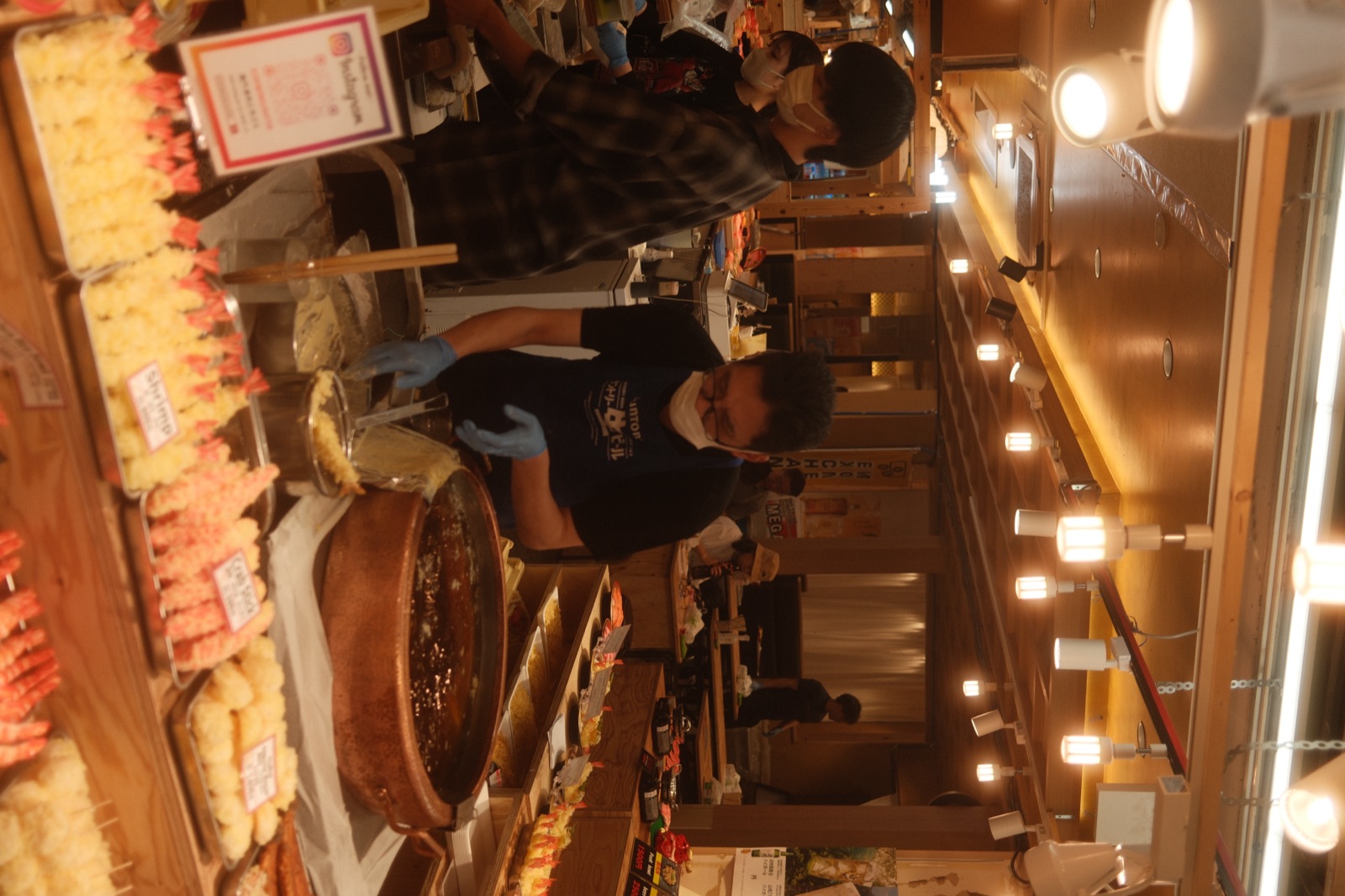
Markets at dawn are about logistics, not aesthetics. The trucks arrive in the dark. The unloading is fast and physical, crates handed down assembly-line style, pallets stacked with a precision that comes from repetition, not planning. The people working these hours aren’t performing. They’re executing a supply chain that feeds a city, and the efficiency is astonishing.
In Bangkok, the flower market at Pak Khlong Talat operates on a rhythm that would make a logistics consultant weep with admiration. Thousands of kilos of jasmine, orchids, and marigolds arrive from farms overnight and are sorted, bundled, priced, and distributed before most of the city wakes up. The women who run the stalls do mental arithmetic faster than I can type numbers into a calculator. They’ve been doing this for decades. The system works because it has to.
In Mexico City, the Central de Abasto is one of the largest wholesale markets in the world. Walking through it before sunrise is like walking through the engine room of a metropolis. The sheer volume, mountains of avocados, towers of dried chilis, entire sections devoted to nothing but limes, gives you a visceral sense of what it takes to feed twenty-two million people every day.
What You See Before the Performance Begins
Cities perform for tourists. They curate the experience, the scenic viewpoints, the historic districts, the restaurant streets with their sidewalk tables and string lights. There’s nothing wrong with this. It’s hospitality. But it’s a show, and like any show, it conceals as much as it reveals.
The pre-dawn market is backstage. The interactions are transactional and unpolished. Prices are negotiated in shorthand. Relationships between vendors and buyers are visible in the way they greet each other, or don’t. The hierarchy of the market is legible if you watch: who gets the best stall, who arrives first, who the other vendors defer to.
In Istanbul, walking through the wholesale district near Eminönü before the Grand Bazaar opens, I watched a tea seller make his rounds. Every vendor got a glass, and the order of delivery was clearly established by long custom. The first glass went to the oldest spice merchant in the row. The last went to the newest arrival, a young man selling phone cases from a folding table. The tea seller didn’t consult a list. He knew the order the way you know the layout of your own kitchen.
These micro-rituals are invisible by 9 AM. By then, the vendors have switched to customer-facing mode. The prices change. The energy shifts. The real city retreats behind the version designed for consumption.
The Sensory Education
Early morning markets are an assault on the senses in the best possible way. The quality of light, that pale, pre-sunrise glow that makes everything look slightly cinematic, is something photographers chase but market workers barely notice. The smell is layered: earth, fish, citrus, exhaust, wet stone, coffee from a cart somewhere out of sight.
The sound is distinctive too. Markets at dawn are loud but not chaotic. There’s a cadence to the shouting, prices called out, orders confirmed, warnings to move aside. In Marrakech, the calls overlap in a way that sounds like music if you stop trying to parse individual words. In Tokyo’s former Tsukiji market, the loudest sound was the scrape of styrofoam boxes against wet tile, a sound so specific to that place and that hour that hearing it anywhere else would transport you back instantly.
Why This Matters Beyond Travel
I think about markets at dawn when I think about business. Not metaphorically, literally.
The best businesses I’ve worked with operate like dawn markets. The real work happens before the performance. The supply chain, the operations, the unglamorous logistics of getting the product to the customer, that’s the 5 AM work. The marketing, the branding, the website, that’s the 10 AM version, the curated storefront.
When I evaluate a new client’s business, I’m always trying to get past the storefront to the supply chain. What does the operation actually look like at 5 AM? How does the product actually get made, delivered, supported? The companies that are strong at the dawn-market level, the ones where the logistics are tight and the relationships are real, are almost always the ones that succeed. The ones that only have a good storefront tend to struggle when things get hard.
The Quiet Hour
The best moment in any dawn market is the fifteen minutes before it gets busy. The stalls are set up. The product is displayed. The vendors are drinking their first coffee or tea, exchanging a few words with the person next to them. There’s a quiet confidence in this moment, the pause between preparation and execution.
Every city has this moment if you’re willing to wake up early enough to find it. It won’t be in the guidebook. It won’t have a TripAdvisor rating. But it will tell you more about where you are than any museum or monument ever could.