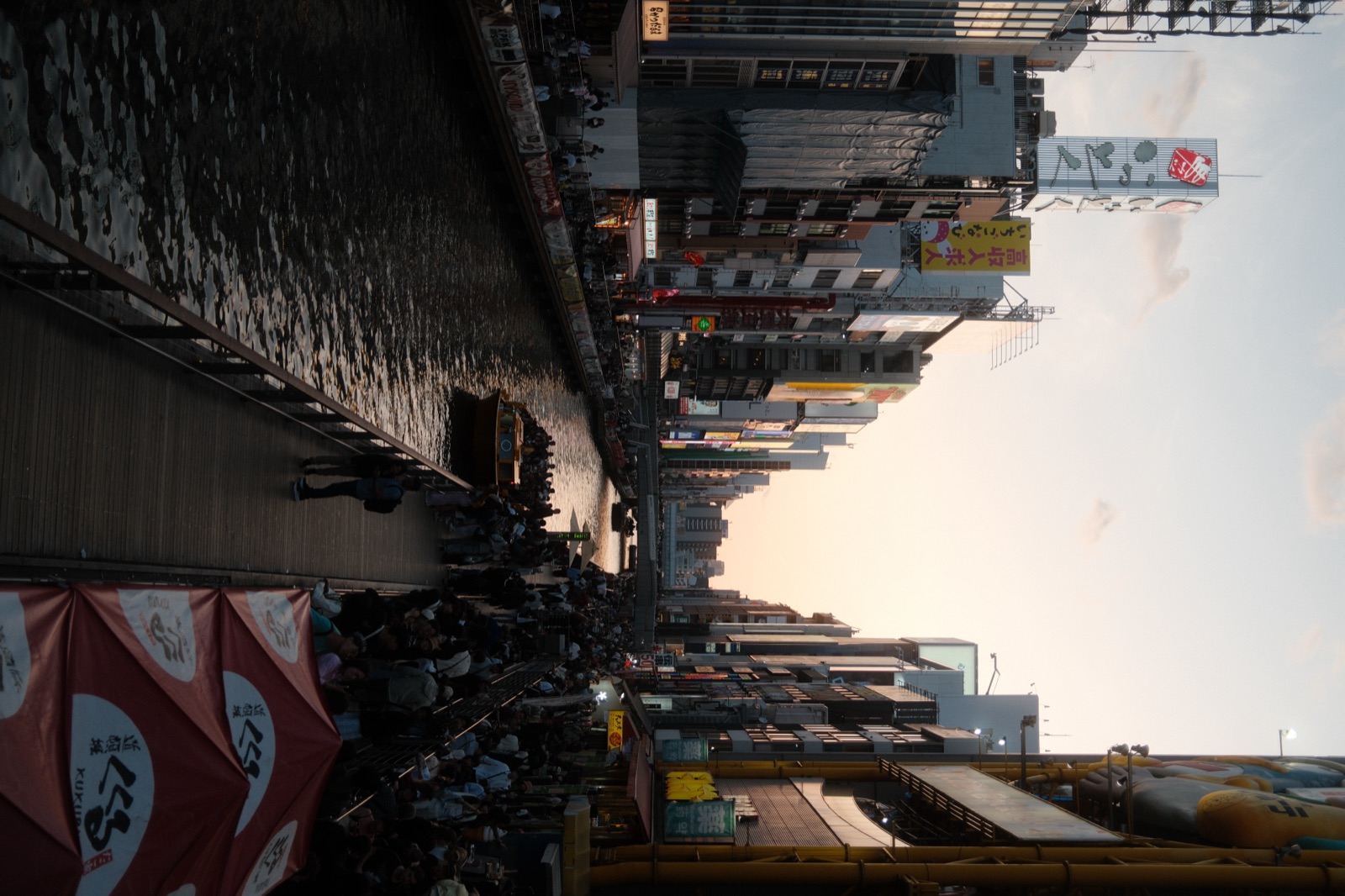
There is a quality that port cities share, a particular texture, and once you’ve noticed it, you can’t stop seeing it. It’s there in Lisbon and Hamburg and Valparaíso and Yokohama and Cape Town and Marseille. It’s something in the way the city faces the water, not with the polite deference of a beach town, but with the functional intensity of a place that was built to move things.
Port cities are not resort towns. They didn’t grow up around leisure. They grew up around commerce, which means they grew up around strangers. And this fact, the constant historical presence of people from elsewhere, gives port cities a character that landlocked cities simply never develop.
The Architecture of Exchange
Walk through any old port district and you’ll see the evidence layered into the buildings. Warehouses converted into apartments. Customs houses turned into museums. Merchants’ quarters where the architectural styles shift every few blocks because each community of traders built in the style of wherever they came from.
In Lisbon’s Alfama district, the Moorish influence is visible in the tile work and the narrow streets. In Hamburg’s Speicherstadt, the red-brick warehouses that stored coffee, tobacco, and spices from five continents now house offices and galleries, but the scale of them, the sheer volume of storage, tells you what this city was for. In Valparaíso, the hillside homes are painted in colors that echo the merchant flags of ships that docked here in the nineteenth century.
The architecture of a port city is the architecture of exchange. It’s practical, adaptive, and layered, because the city has been continuously modified by the needs and tastes of whoever arrived most recently. There’s a productive chaos to it that planned cities never achieve.
The Food
If you want to understand why a city’s food culture is interesting, look at whether it has a port. The correlation is nearly perfect.
Port cities have the best food because they’ve had the longest exposure to foreign ingredients, techniques, and palates. Marseille has bouillabaisse because Mediterranean trade brought saffron and fennel and a dozen varieties of fish to the same market. Singapore’s hawker stalls exist because Malay, Chinese, Indian, and European culinary traditions collided in a trading post and nobody won. They just merged. Lima’s ceviche is the product of Japanese immigration mixing with indigenous Peruvian technique, a fusion that only happened because Lima is a port.
Landlocked cities develop cuisines too, obviously. But they develop them from local ingredients and local tradition, which produces depth but not breadth. Port cities develop cuisine from everything that arrives on the docks, which produces a culinary diversity that feels almost reckless. You can eat your way around the world without leaving the waterfront.
The Tolerance Premium
Port cities tend to be more cosmopolitan, more tolerant, and more culturally fluid than their inland counterparts. This isn’t sentimentality. It’s economics. When your city’s wealth depends on trade, and trade depends on the arrival of foreigners, you develop a practical tolerance for difference. Not always enthusiastic tolerance. Not always consistent tolerance. But a baseline understanding that the stranger at the dock might be carrying something valuable.
This is why port cities have historically been centers of cultural innovation. Jazz didn’t emerge in a landlocked American city. It came from New Orleans, a port. The Renaissance didn’t happen in a mountain village. It happened in Florence and Venice, cities connected to trade routes. The artistic movements of the twentieth century clustered in port cities: New York, London, Tokyo, Buenos Aires.
The pattern holds today. The most dynamic startup ecosystems tend to be in port cities or their modern equivalents, cities with airports that function as ports, connecting them to global flows of people, capital, and ideas. San Francisco is a port. Tel Aviv is a port. The ones that aren’t physical ports are cultural ones, cities where outsiders arrive and are absorbed rather than repelled.
The Melancholy
There’s also something melancholy about port cities that I find compelling. They’re cities built around departure. The waterfront is where people leave. The harbor is where ships disappear over the horizon. Fado, the Portuguese music of Lisbon, is fundamentally music about missing people who’ve gone to sea. The tango of Buenos Aires has its roots in the loneliness of immigrants who arrived at the port and found themselves far from everything they knew.
This undercurrent of loss gives port cities an emotional depth that newer cities lack. There’s a weight to them. The buildings remember. The streets carry the residue of a million arrivals and departures. Walking through a port district, even a gentrified one, you feel the history of movement, the sense that this place has always been a threshold between staying and leaving.
The Lesson
I’m drawn to port cities because they embody something I believe about business and about life: the most interesting things happen at the intersection. Where cultures meet. Where goods and ideas change hands. Where the local encounters the foreign and neither remains unchanged.
Landlocked cities can be beautiful, stable, and deeply cultured. But port cities have a vitality that comes from perpetual contact with the outside world. They’re cities that were never allowed to become insular, because the next ship was always arriving with something new.
There’s a metaphor in there for how to build a company, how to build a career, how to build a life. Stay connected to the docks. Keep the harbor open. The most valuable thing might be on the next boat.