There’s a particular kind of desperation that comes with having zero clients and a freshly registered LLC. Not the dramatic, movie-montage kind. The quiet kind. Where you refresh your inbox eleven times before lunch and pretend you’re “building systems” when really you’re just rearranging your CRM columns for the third time this week.
That was me in early 2024.
PipelineRoad existed on paper. We had a website. We had a pitch deck that, looking back, tried to be everything to everyone, which is another way of saying it was nothing to no one. Bruno and I had conviction that B2B SaaS companies were chronically underserved by agencies. We’d seen it firsthand. But conviction doesn’t pay rent.
Here’s how the first ten actually happened.
Client One: The Favor
Our first client was a friend of a friend. A SaaS founder who needed help with positioning and wasn’t ready to hire a full-time marketer. He paid us $2,500 a month, which felt like a fortune at the time.
The work itself was mediocre. I’m honest about that now. We were figuring out our process in real time, over-delivering on volume and under-delivering on strategy. We wrote blog posts, ran his LinkedIn, managed some email sequences. Classic “we’ll do everything” agency behavior.
He stayed with us for four months. When he churned, he was kind about it. Said the content was good but he needed someone more specialized. That word, specialized, stuck with me. It became the seed of everything we built after.
Clients Two and Three: Cold Outreach
I sent approximately 400 cold emails to get clients two and three. Four hundred. I know because I tracked every single one in a spreadsheet that I still have.
The emails were bad at first. Long, self-congratulatory, full of phrases like “leveraging our expertise” and “driving measurable ROI.” The kind of emails I now teach clients to never send.
Around email 150, I changed my approach. Shorter. More specific. I’d find something genuinely wrong with their marketing, a broken landing page, a positioning gap, a missed keyword cluster, and just… tell them. No pitch. Just: “Hey, noticed this. Here’s what I’d do. Happy to chat if useful.”
My response rate went from 2% to about 11%.
Client two was a compliance SaaS company. They came on for email sequence work. Client three was a vertical SaaS play in logistics. Both found us through those specific, helpful cold emails. Both stayed for over a year.
The lesson was obvious in retrospect: lead with value, not credentials. But it took 150 bad emails to internalize it.
The Dead Zone: Clients Four Through Six
There’s a period between “we have a couple clients” and “we have a real business” that nobody talks about. I call it the dead zone.
You’re too busy to do full-time outreach but not busy enough to feel secure. You’re hiring your first contractor but can’t afford to pay them what they’re worth. Every month feels like a coin flip.
Client four came from a LinkedIn post. I’d started writing about B2B positioning, not as marketing content, but because I was genuinely obsessed with the topic. A founder DM’d me after a post about why most SaaS companies sound identical. We got on a call. He signed within a week.
Client five was a referral from client two. This was the first time the flywheel showed signs of life. When a client refers you, it’s fundamentally different from earning a cold lead. The trust transfer is enormous. Client five came in already believing we could help. The sales cycle was three days.
Client six was the hardest. A company I really wanted to work with. I pitched them four times over six months. Sent them a free audit. Sent them a positioning teardown. They kept saying “not yet.” Then one day their VP of Marketing left, and suddenly they needed help yesterday. Timing is the variable you can’t control, but persistence is the variable you can.
The Turning Point: Client Seven
Client seven changed the business.
They were a Series B SaaS company with real revenue, a real team, and real expectations. This wasn’t a founder doing us a favor. This was a company evaluating us against two other agencies.
We won the deal because of specificity. The other agencies pitched broad capabilities. We pitched a 90-day plan with exact deliverables, tied to their specific pipeline problem. We’d done our homework. We knew their competitors, their keyword gaps, their conversion bottleneck.
The retainer was three times what we’d been charging. And for the first time, I felt like we were running an agency instead of freelancing with a logo.
Client seven also taught me about scope. We over-promised on that first SOW. Tried to cover content, email, paid, and strategy all at once. By month two, we were drowning. I had an uncomfortable conversation with their CMO where I said, “We need to narrow this down or the quality will suffer.”
She respected the honesty. We cut paid from the scope, focused on content and email, and the results got dramatically better. That conversation, choosing depth over breadth, became a core principle of how we operate.
Clients Eight Through Ten: The Compound Effect
By the time we hit client eight, something had shifted. We weren’t chasing anymore. We were choosing.
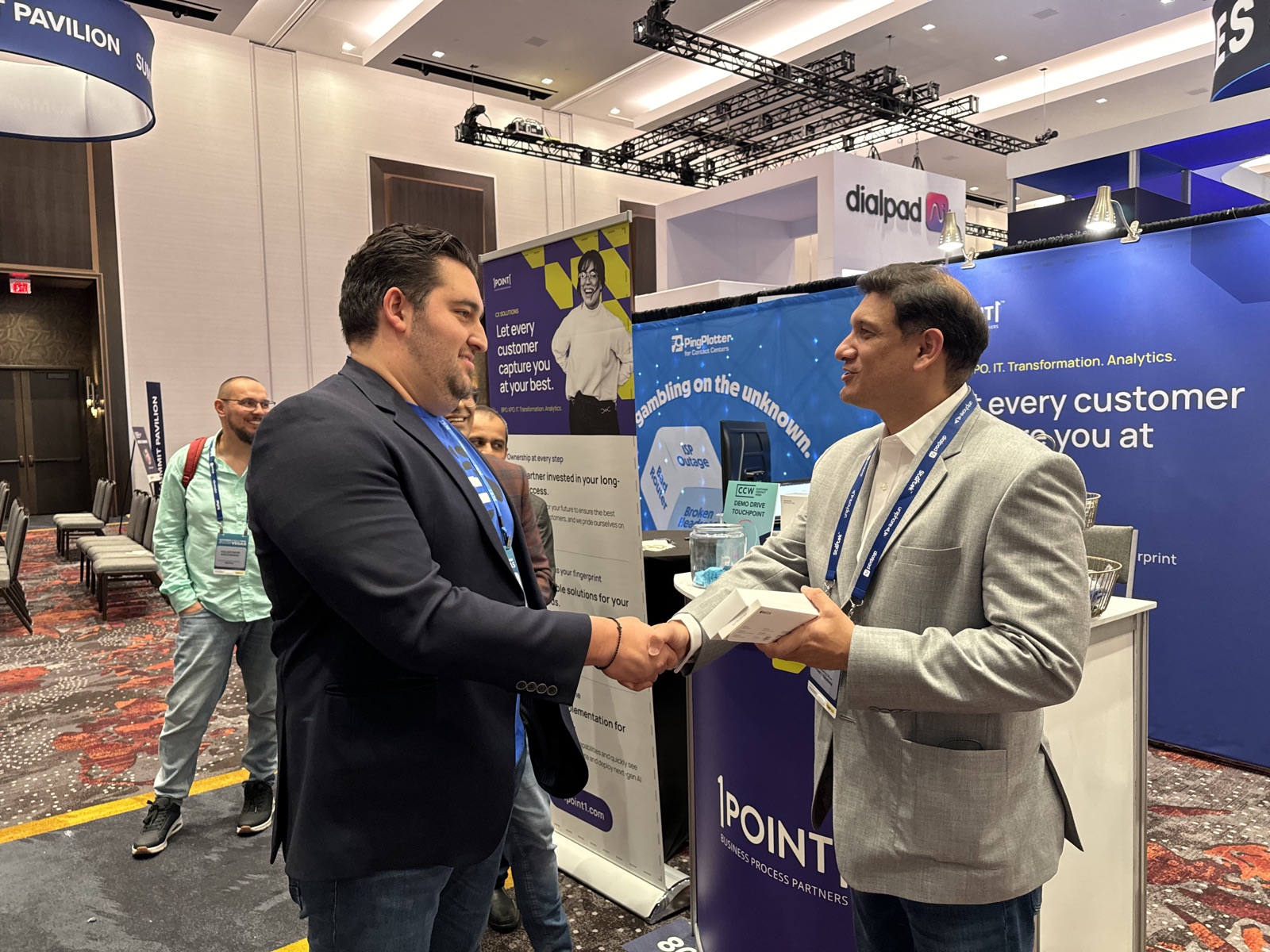
Client eight came from a conference. Not a big, expensive booth, just attending, having conversations, being genuinely curious about what people were building. I met their CEO over coffee at a side event. We talked for forty minutes about their go-to-market challenges. I followed up with a one-page document outlining what I’d do. They signed the next week.
Client nine was another referral. Client ten found us through our own content, a blog post about email sequence architecture for B2B SaaS that ranked well and brought in consistent traffic.
By ten clients, the business looked completely different from where it started. Revenue was stable. We had a small team. We had a process. We had a point of view.
What I’d Do Differently
If I were starting over tomorrow, I’d change three things.
I’d niche faster. We spent the first six months saying “we help SaaS companies with marketing.” That’s not a niche. That’s a category. The moment we got specific about what kind of SaaS companies and what kind of marketing, everything accelerated. I’d make that decision on day one instead of month six.
I’d charge more from the start. Our first client paid $2,500 a month. Our seventh paid three times that for a similar scope. The work quality wasn’t three times better. Our confidence was. Undercharging doesn’t just hurt your revenue. It attracts clients who don’t value what you do. The best clients we’ve ever had were never the cheapest engagements.
I’d document everything publicly. The content that brought in clients nine and ten, writing about our actual process, our actual thinking, should have started on day one. Not as a marketing strategy, but as a forcing function for clarity. Writing about what you do makes you better at what you do. I waited too long to start.
The Thing Nobody Tells You
Getting to ten clients isn’t a straight line. It’s not even a curve. It’s a series of small, unglamorous steps punctuated by long stretches of nothing happening.
You send emails that get ignored. You write proposals that go nowhere. You have calls that feel great and then hear nothing for weeks.
And then someone says yes. And then someone refers you. And then you write something that resonates with exactly the right person at exactly the right time.
The compounding doesn’t feel like compounding while it’s happening. It feels like grinding. The gap between client one and client five felt infinite. The gap between client seven and client ten felt like a weekend.
That’s the part I wish someone had told me. Not the tactics. You can find those anywhere. But the emotional texture of building something from zero. The fact that it’s mostly patience disguised as hustle.
We’re well past ten now. But those first ten taught me everything that matters about this business. About specificity. About honesty. About the difference between chasing and attracting.
Every agency, every consultancy, every service business has this chapter. The messy, uncertain, unglamorous beginning. I’m glad I didn’t skip it.