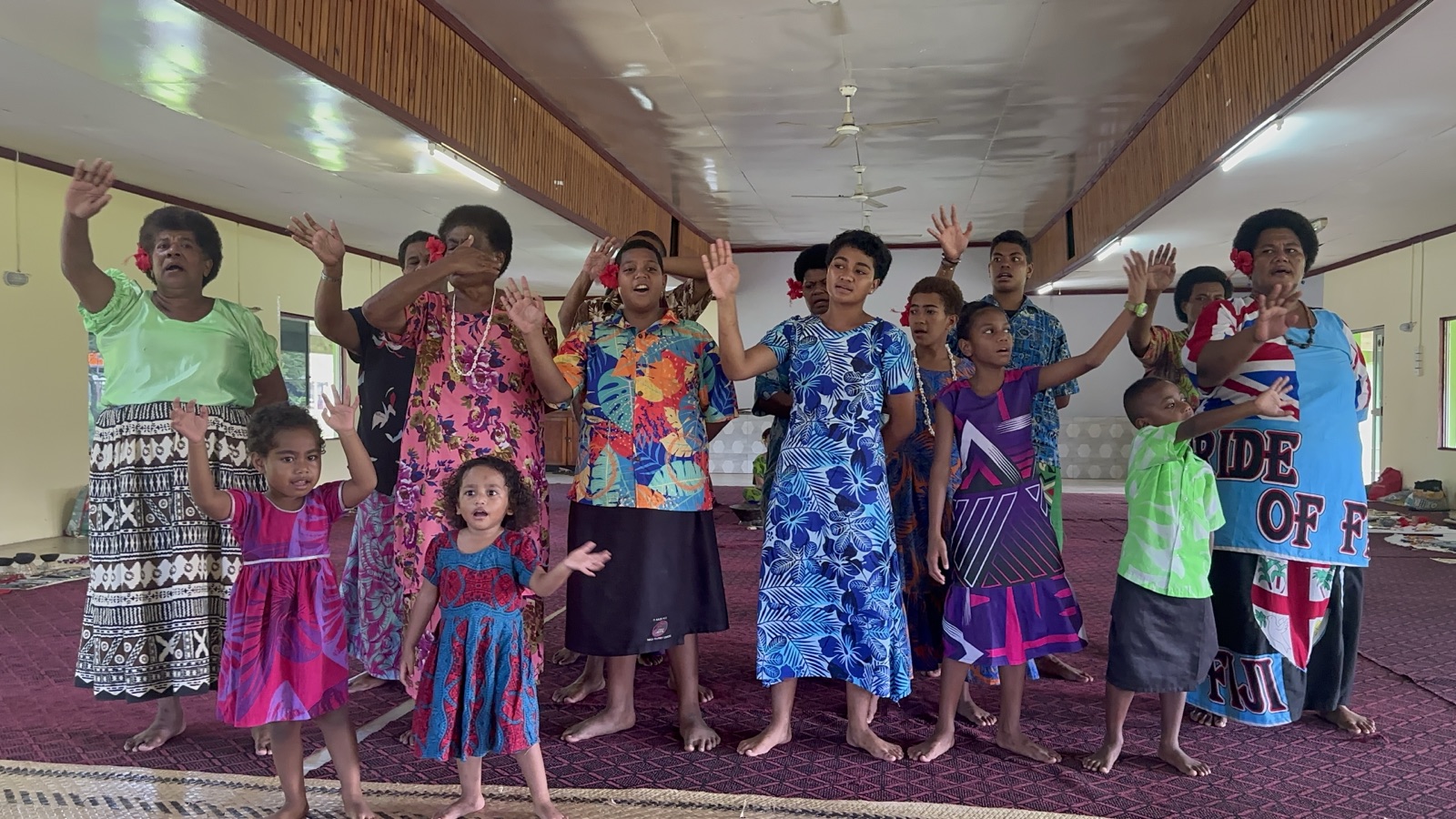
There’s a particular experience that has happened to me enough times, in enough places, that I’ve stopped treating it as coincidence and started treating it as data. It goes like this: I arrive somewhere, visibly foreign, clearly uncertain about where I’m going or what I’m doing. And before I can pull out my phone to consult a map, someone approaches. Not to sell me something. Not to scam me. To help.
In certain countries, this happens constantly. Not occasionally, not when you’re lucky, constantly. The taxi driver who refuses to let you pay. The family that invites you into their home for tea when you stop to ask for directions. The shopkeeper who closes his store to walk you to the place you’re looking for. The stranger on the bus who shares their food with you because you’re there and the food is there and it would be strange not to.
In other countries, this almost never happens. The people are perfectly pleasant, the service economy functions well, but hospitality is a transaction rather than an instinct. The difference is unmistakable once you’ve experienced both.
The Countries Where It’s Deep
I won’t rank them because that misses the point, but I’ll describe what I’ve seen. In parts of the Middle East, hospitality isn’t a social nicety. It’s a moral imperative with roots in Bedouin culture, where offering food and shelter to a traveler wasn’t optional. It was a matter of honor, tied to survival in a landscape where refusing someone rest could mean their death. That imperative has outlasted the nomadic conditions that produced it. It persists in modern cities, in middle-class homes, in business culture.
Sitting in a living room in a Middle Eastern city, having been invited by someone I met an hour ago, drinking tea I didn’t ask for and eating food that kept appearing despite my protests. I understood that this wasn’t generosity in the way I’d been taught to think about it. It wasn’t charity. It wasn’t performance. It was identity. To be a good person, in this cultural framework, was to be hospitable. The two concepts were inseparable.
I’ve experienced something similar in parts of South America, where the warmth is different in texture, more spontaneous, less formal, equally genuine. A conversation with a stranger at a bar becomes a dinner invitation. A dinner invitation becomes an introduction to the family. The boundaries that Northern cultures maintain between strangers and intimates simply don’t exist in the same way.
In parts of Southeast Asia, the hospitality operates through a different register, quieter, more attentive, expressed through small acts rather than grand gestures. The way a host in a rural village will give you the best seat, serve you first, make sure your plate is full before they’ve served themselves. Nothing is announced. Everything is noticed.
What Produces It
I’ve thought about why some cultures develop deep hospitality and others don’t. The easy answer is poverty. That people who have less share more. But that’s condescending and not entirely accurate. I’ve seen extraordinary hospitality in wealthy households and indifference in poor ones.
The better explanations are structural. Cultures with strong hospitality traditions tend to have histories of nomadism, trade routes, or migration, contexts where the stranger at your door might be someone you’d need help from tomorrow. Reciprocity is the economic engine of hospitality. You give because giving creates obligation, and obligation creates a network of mutual aid that’s more reliable than any institution.
Religion plays a role too. Islam, Christianity, Hinduism, Buddhism, all contain explicit injunctions to welcome the stranger. But the injunction alone isn’t sufficient. Plenty of nominally religious societies are not particularly hospitable. What matters is whether the injunction has been absorbed into daily practice, whether it’s become cultural rather than merely doctrinal.
Climate and geography also factor in. Harsh environments, deserts, mountains, regions with extreme weather, tend to produce hospitality cultures, because in those environments, turning someone away has consequences. The habit of helping persists even when the consequences have softened.
What It Feels Like to Be the Guest
Being received with genuine hospitality changes something in you. It’s disorienting if you come from a culture where relationships are boundaried and transactions are clear. You don’t know how to reciprocate. You feel indebted. You worry about imposing. All of these responses reveal more about your own cultural programming than about the host.
Over time, I’ve learned to receive hospitality the way it’s intended: as a gift that doesn’t require repayment, only acceptance. The right response isn’t to calculate an equivalent return. It’s to be present, to eat what’s offered, to stay as long as you’re welcome, and to carry the warmth forward.
This is harder than it sounds for someone raised in a culture of transactional relationships. But it’s one of the most valuable things travel has taught me.
The Business of Welcome
Running an agency that works across cultures, I’ve seen how hospitality translates into professional contexts. In countries with deep hospitality traditions, business relationships start with food, with personal conversation, with an extended period of getting-to-know-you that can feel like wasted time to someone from a more transactional culture.
It isn’t wasted. It’s the foundation. In these contexts, trust is built through the ritual of welcome, and business happens on top of trust. Skip the hospitality and you skip the trust and the deal never materializes, no matter how good the pitch deck.
The companies I’ve seen succeed across cultures are the ones that understand this. They don’t rush to the agenda. They accept the tea. They ask about the family. They understand that in much of the world, the meeting before the meeting is the meeting.
What It Reveals
A culture’s approach to hospitality is, ultimately, its answer to a fundamental question: what do we owe strangers? Some cultures answer: nothing beyond basic civility. Others answer: everything we would offer family. Most fall somewhere between.
Where a culture lands on that spectrum tells you about its social cohesion, its history, its relationship with trust and risk, and its theory of what holds a community together. It’s not a moral judgment, transactional cultures have their own strengths. But the difference in experience is real, and once you’ve felt it, you carry it with you.
The tea is never just tea. The invitation is never just an invitation. It’s a culture showing you what it believes about people.