Walking through Bogota’s La Candelaria neighborhood, you encounter something that most cities spend enormous energy trying to prevent: walls covered, floor to ceiling, in elaborate, beautiful, provocative art. Not sanctioned murals in designated zones. Not corporate-commissioned installations with plaques. Real street art, made by people who decided that the surface of a building was a canvas and dared the city to disagree.
What’s remarkable about Bogota is that the city, after years of conflict over this exact question, essentially agreed. Street art is tolerated, sometimes celebrated, occasionally funded. The result is a neighborhood that functions as a living gallery, one where the art changes constantly, responds to politics in real time, and is made by people whose voices wouldn’t otherwise reach a gallery wall.
The Permission Question
Every city draws the line between vandalism and art somewhere, and where they draw it tells you nearly everything about the city’s relationship with power, expression, and public space.
In cities where control is the dominant value, where surfaces are clean and orderly, where deviation is punished swiftly, you see almost no street art. The message is clear: public space belongs to the institutions that manage it. Your voice is welcome in designated channels. Fill out a form. Submit a proposal. Wait for approval.
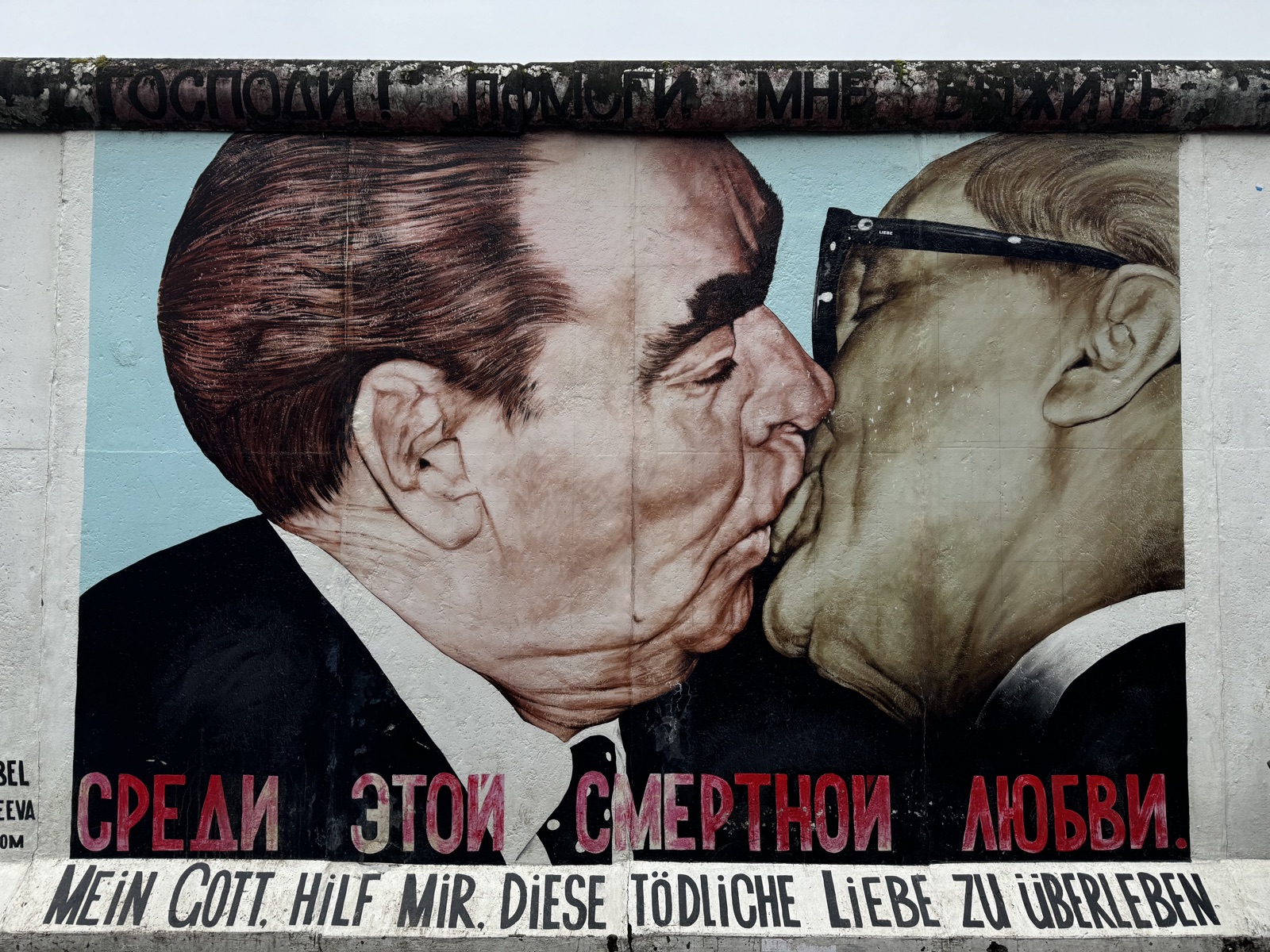
In cities where expression is valued over order, Bogota, Berlin, Melbourne, parts of Sao Paulo, the walls speak. And what they say is often uncomfortable, political, raw. Which is exactly why the permission question matters so much. The people who make street art are, by definition, people who decided they couldn’t wait for permission. The work exists because someone chose to speak without being asked.
This tension between permission and expression shows up everywhere, not just on walls. It shows up in business, in media, in who gets to define a market’s narrative. The brands that wait for permission. That follow the playbook, that speak only in approved channels, that sand down every rough edge, are the ones nobody remembers.
Banksy and the Paradox
The Banksy phenomenon is the most visible illustration of the paradox at the heart of street art. Work that was originally illegal, created in the dark, on surfaces the artist didn’t own, in defiance of property rights, is now worth millions. Buildings have been cut open to preserve Banksy pieces. Property values rise when a Banksy appears on your wall.
This is what happens when the market catches up with unauthorized expression. It absorbs it, prices it, domesticates it. The same piece that was an act of rebellion becomes a real estate asset. The system that the art was pushing against becomes the system that profits from it.
I find this genuinely fascinating, not as an art-world curiosity, but as a dynamic that plays out in every industry. The disruptive voice that challenges the establishment eventually becomes the establishment. The punk band signs to a major label. The scrappy startup becomes the incumbent. The street artist’s work is sold at Sotheby’s.
The question is: does the work lose its power when it gains permission? Sometimes yes. Sometimes the domestication kills exactly what made it vital. But sometimes the work is strong enough to survive the transition, to carry its original energy into a new context. The best brands I’ve worked with have this quality. They started by saying something unauthorized, something the market wasn’t ready for, and they maintained that voice even as they scaled.
Melbourne’s Laneways
Melbourne handles the question differently than most cities. The laneway culture there is a kind of negotiated truce between order and expression. Certain laneways, Hosier Lane being the most famous, are understood to be open canvases. Anyone can paint there, and anyone can paint over what came before.
The result is a constantly evolving surface. Art appears, exists for days or weeks, and is then covered by the next artist’s work. Nothing is permanent. Nothing is precious. The laneway is a conversation, not a collection.
What strikes me about this model is how closely it mirrors the best creative environments I’ve seen in business. The teams that produce exceptional work aren’t the ones where every idea is preserved and protected. They’re the ones where ideas are proposed, built upon, sometimes overwritten, where the process is alive and the outcome matters more than any individual contribution.
Who Gets to Speak
The deeper question underneath all of this is about voice. Who gets to speak in public? Whose message is considered legitimate? The history of street art is, in large part, a history of people who were excluded from legitimate channels of expression finding their own.
Graffiti started in the margins, subway cars in New York, underpasses in Philadelphia, and it started there because the people making it didn’t have access to galleries, publications, or platforms. The wall was the platform. The spray can was the tool. The audience was whoever walked by.
This is worth remembering in an era when “everyone has a platform” feels like a settled truth. Because access to a platform is not the same as permission to use it. Social media gives everyone a microphone, but algorithms decide who gets heard. The gatekeepers have changed, but the gates remain.
The street artists I’ve encountered in cities around the world understand something that most marketers don’t: the most powerful messages are the ones that don’t ask for approval. They just appear. They interrupt the expected visual landscape and force you to engage, to agree, to disagree, to feel something. That’s what the best marketing does too. Not because it’s vandalism, but because it has the same quality of urgency. The same refusal to wait for someone else to say it’s okay.